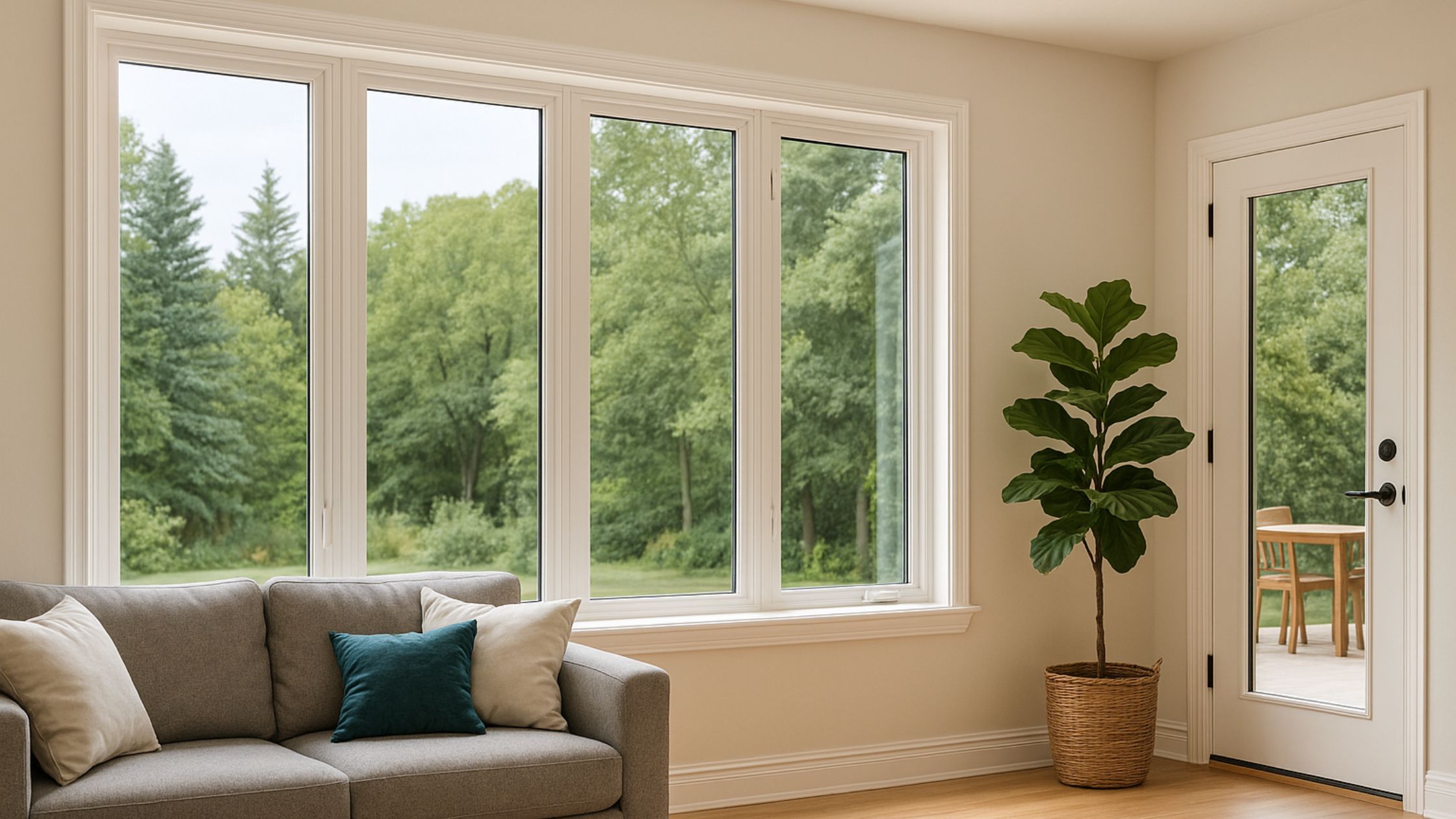
The answer people want is a number, so here it is: a single window, straight swap, in an opening that has not moved, takes a two person crew somewhere between forty five minutes and an hour and a half. A whole house of ten to fifteen windows takes one to three days.
The reason nobody gives you that number up front is that it is only true when the opening behaves. About one job in five has something behind the trim that changes the plan, and the honest version of this answer is mostly about what those things are and how much time each one adds.
The Short Answer, by Job Size
- One window, insert replacement: 45 to 90 minutes.
- One window, full frame replacement: 2 to 4 hours.
- Six to eight windows, one storey, insert: one day.
- Ten to fifteen windows, two storeys: two to three days.
- A large fixed unit or a bay: half a day on its own, sometimes a full day if it needs a lift.
Those are working hours on site. They do not include the four to eight weeks between your measure appointment and the day the units arrive, which is the part of the timeline most homeowners forget to plan around. More on that further down.

What Actually Takes the Time
Fitting the new unit is the quick part. Almost everything else is preparation and finishing, and the split surprises people who have only watched the middle of the job.
Removing the old window
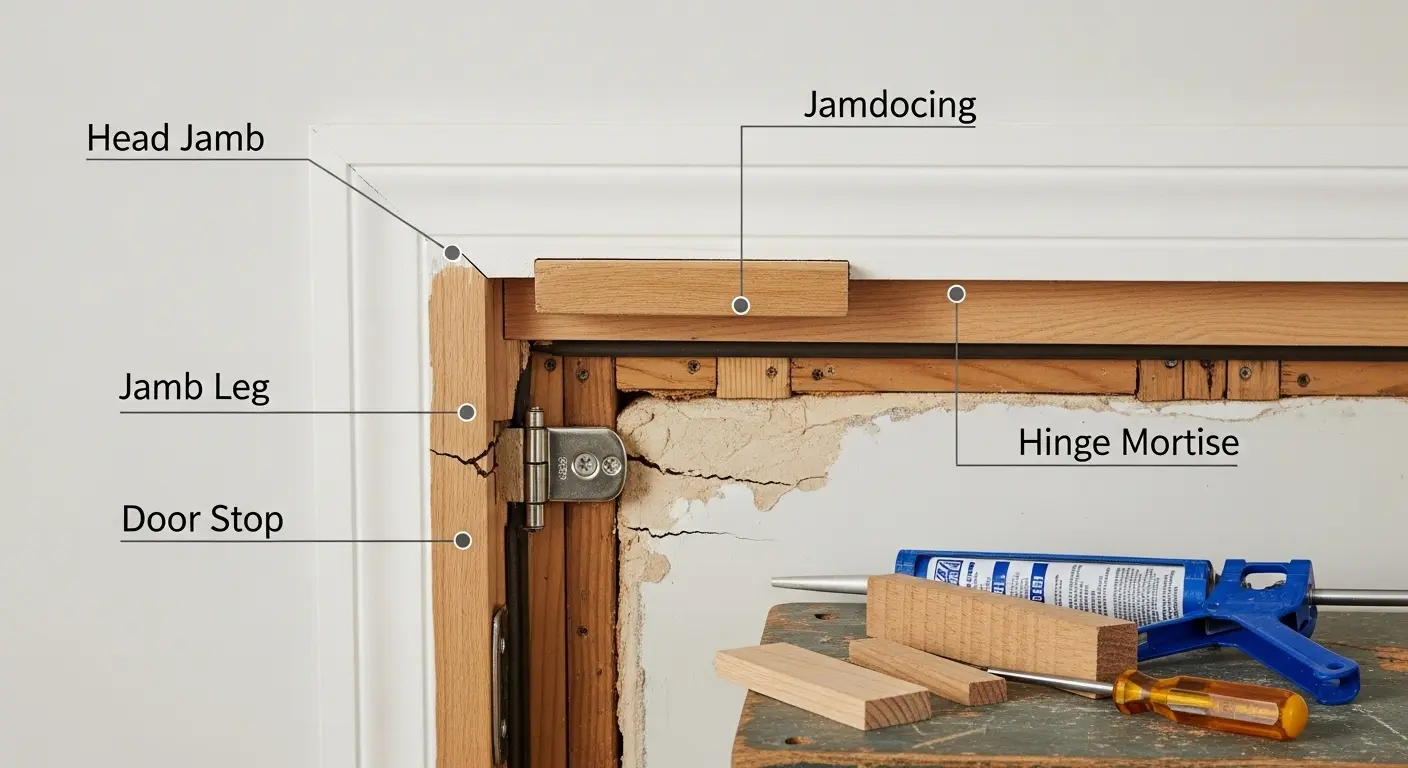
Ten to twenty minutes on a vinyl unit that comes out in one piece. Longer on old aluminum, because the frames were often installed before the interior was finished and the fasteners are buried under trim that has been painted over four times. Wood sashes with counterweights take longer again, and on a heritage property the trim has to come off intact rather than fast.
Cleaning and checking the opening
This is the step that decides whether the job stays on schedule. With the old unit out, the crew can finally see the buck, the sill and the sheathing behind it. If the wood is sound, the new unit goes in and the day continues. If there is rot at the sill, which is common under windows that have been leaking quietly for a decade, that section has to be cut out and replaced before anything else happens. Add one to three hours per opening.
Setting, shimming and squaring
Twenty to forty minutes on a normal opening. The unit goes in, gets shimmed at the fixed points, and gets checked for square, plumb and level before a single fastener is driven home. A window that operates badly a year later almost always went in out of square on day one, and no amount of adjustment afterwards fully fixes it.
Insulating and sealing
Low expansion foam around the perimeter, then an air seal on the interior side. This is fifteen minutes of work that carries a disproportionate amount of the window's real performance. High expansion foam packed into a tight gap bows the frame and stops the sash sealing, which is one of the more common installation faults we get called out to look at.
Trim, caulking and cleanup
Twenty to forty minutes per opening for exterior capping and caulking, plus interior trim if the old casing did not survive removal. On brick homes the exterior aluminum capping is bent on site to fit the actual reveal, which takes longer than cutting a stock piece but is the difference between a clean line and a visible gap.
Insert Versus Full Frame Changes Everything
The single biggest factor in how long your job runs is which of these two methods your house needs, and that is decided by the condition of the existing frame rather than by what you would prefer.
An insert replacement keeps the existing frame and fits a new unit inside it. Nothing structural is touched, the exterior brick or siding stays untouched, and the interior trim usually survives. This is the fast route, and it is the right route when the frame is dry, square and solidly fixed. Most homes built from the mid 1990s onward qualify.
A full frame replacement strips everything back to the rough opening. The frame, the sill and often the interior casing come out. The crew can inspect and repair what is behind, and the new unit sits in the actual opening rather than inside an old frame. It takes roughly three times as long per window and it is the only honest option when the existing frame is rotten, badly out of square, or an old aluminum unit with no thermal break.
Insert replacement also costs you glass area. The new frame sits inside the old one, so the visible glass shrinks by an inch or so on each side. On a small bathroom window nobody notices. On a picture window it is obvious. Our window replacement page covers when each method applies and what each one does to the finished look.
What Pushes a Job Longer
House age. A 1960s Thornhill bungalow and a 2005 Maple subdivision home are not the same job. The older house has settled, so no two openings are quite the same size, and the crew measures and adjusts at each one rather than working through identical units.
Brick versus siding. Brick openings need capping bent to fit and the mortar line respected. Siding is faster to open and faster to close, but the flashing detail underneath matters more and takes care to get right.
Height. Second and third storey windows need staging or a ladder setup that has to be moved and re-levelled for every opening. That alone can add half a day across a house.
Access. A large fixed unit that has to come through the front door, round a landing and up a stair is a different job from one that goes in through the opening from outside. On some homes it does not fit that route at all, which means a lift, a permit for the sidewalk if it blocks one, and a scheduled day rather than an opportunistic one.
Weather. Rain slows exterior sealing and caulking, because most sealants want a dry surface and a minimum temperature to cure properly. Crews work through cold better than they work through wet.
Surprises behind the trim. Rot at the sill, old knob and tube wiring running through the framing, a missing lintel over an opening that was widened by a previous owner without a permit. Each of these stops the clock while somebody makes a decision.
The Part Before Install Day
Homeowners plan around install day and are then caught out by the six weeks in front of it. A realistic timeline from first contact looks like this:
- Measure appointment: one to two hours in the house. Every opening measured individually, condition noted, method decided.
- Quote and order: a few days. Nothing is ordered until sizes are confirmed, because a vinyl window is manufactured to your opening and cannot be exchanged if the measurement was wrong.
- Manufacturing: four to eight weeks for standard vinyl units, longer for custom shapes, specialty glass or anything with an unusual colour. Spring and early autumn run at the long end of that range because everybody books then.
- Delivery and inspection: units are checked against the order before they go on a truck. A wrong unit found at this stage costs days. A wrong unit found on your driveway costs weeks.
- Install: one to three days.
If you want new windows in for winter, book the measure in late summer rather than October. By the time the first cold week arrives, the queue is already full and the honest answer becomes January.
A Realistic Schedule for a Whole House
Say twelve windows across two storeys in a Vaughan detached home, insert replacement, brick exterior.
Day one. Crew arrives around eight. Floors and furniture get covered, the ground floor openings get done first because they are quickest, and by mid afternoon six or seven are in and sealed. Exterior capping follows behind. The house is closed up and secure at the end of the day, always. No opening is ever left unglazed overnight.
Day two. Staging goes up for the second storey. Progress slows to three or four openings, because every one needs the setup moved. Interior trim and caulking follow.
Day three, often a half day. Final capping, exterior caulking, cleanup, and a walk round with you at every window to check operation, locks and screens before anybody leaves.
That third half day is the one most quotes quietly omit. It is also the one that determines whether you are still finding caulk lines you dislike in six months.
Can Windows Be Installed in Winter?
Yes, and it is a normal part of the year in Ontario rather than an exception. Windows come out and go back in one opening at a time, so the house is never open to the weather in the way people imagine. The practical limits are that some sealants have a minimum application temperature, and that very cold days slow everyone down, which makes the job longer rather than impossible. Below roughly minus fifteen the sensible move is to reschedule.
Our guide to the best time of year to replace windows goes through the trade offs between seasons in more detail.
What You Can Do to Keep It on Schedule
- Clear a metre of space in front of every window, inside and out, before the crew arrives. Move the furniture yourself rather than having installers do it on your clock.
- Take down blinds, curtains and rods. They will not go back on the same brackets if the trim changes.
- Take pictures off the walls on the affected elevations. Removal vibrates more than you expect.
- Keep pets in a closed room. Doors and windows are open through the day.
- Make sure someone with authority to make a decision is reachable. When a rotten sill turns up at ten in the morning, a crew that cannot reach you loses the rest of the day.
Questions Worth Asking Before You Book
Ask how many crews will be on site and how many openings they expect to complete per day. A specific answer is a good sign. Ask what happens if rot is found, and whether repair is quoted at a rate up front or invented on the day. Ask whether exterior capping is included, because it is a common exclusion that turns a finished job into an unfinished one. Ask who does the final walk round.
An installer who tells you a whole house is a one day job for every house has not looked at your house. Our page on how to spot improper window installation covers what a rushed job looks like once the crew has gone.
Bay, Bow and Specialty Units Are Their Own Day
A bay or bow window is not a bigger window, it is a small piece of construction. The unit projects out past the wall, so it needs a supported seat underneath, a small roof above, insulation in both, and flashing where that roof meets the wall. Replacing one like for like takes most of a day even when everything goes well, and if the previous seat was undersized or the roof has been leaking, it takes two.
The same applies to any opening with a shaped head. Arched and half round units are made to a template taken from your actual opening, which lengthens the manufacturing time as well as the fitting time. If your quote lumps a bay in with the general per window rate, that is a quote worth questioning. Our bay windows page sets out what the seat and roof work actually involves.
How Long Do Doors Take, for Comparison
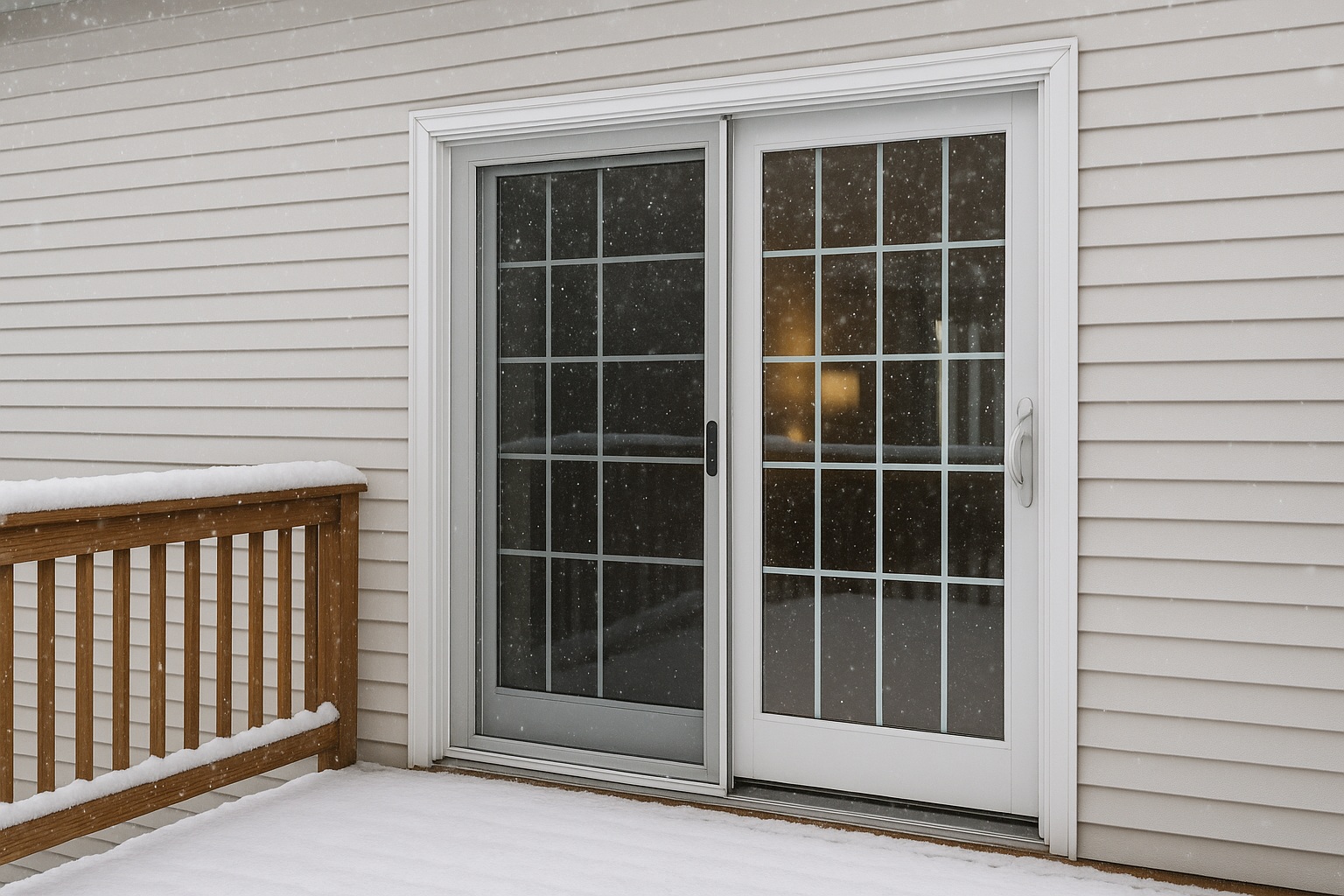
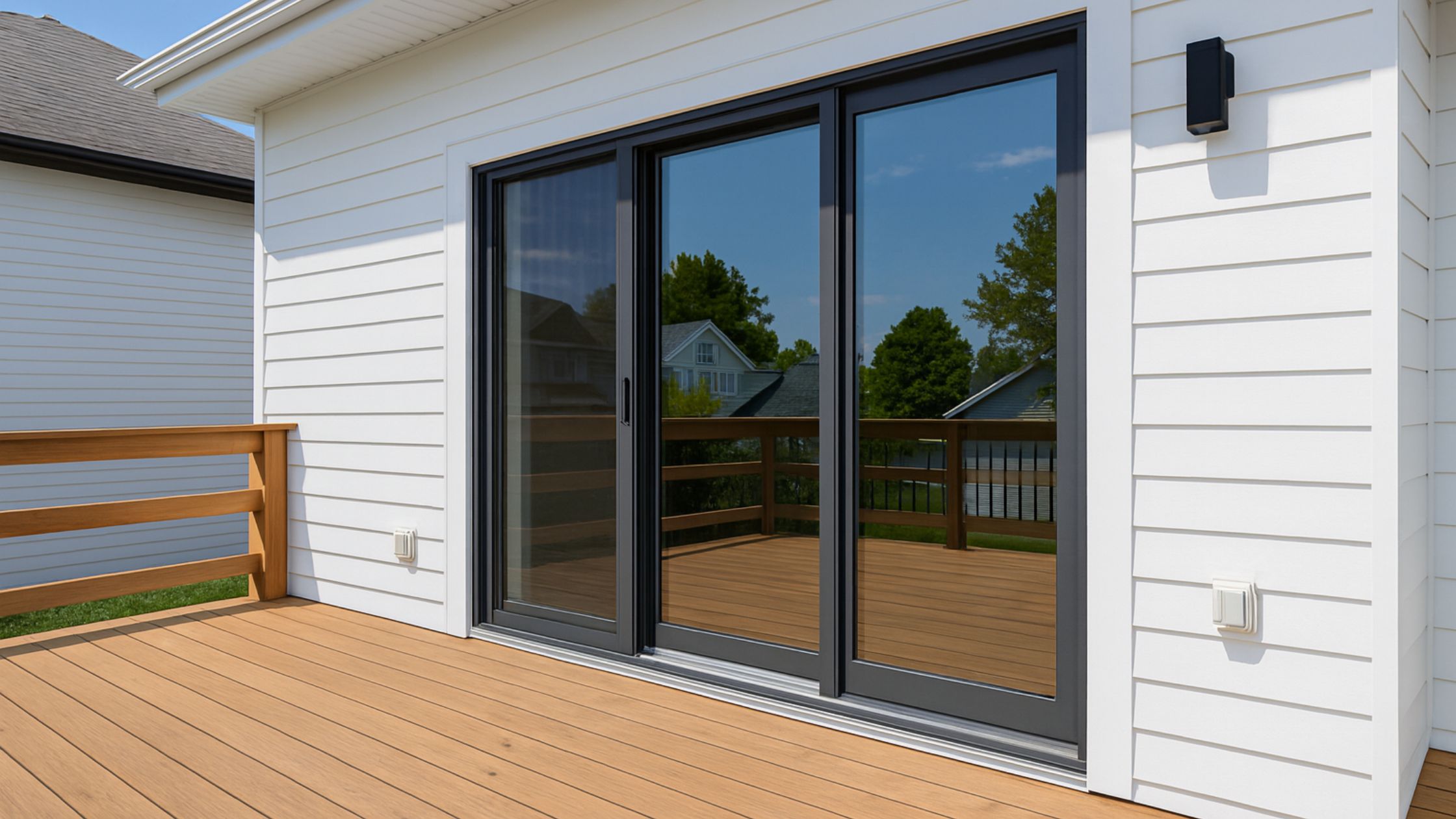
People often replace windows and an entry door in the same visit, so the comparison is useful. A slab and frame going into an existing opening runs three to five hours, because the frame has to be plumb in two planes and a door that is out by a few millimetres will drag on the strike or swing shut on its own. A patio door is half a day to a day, mostly because of weight and because the track has to be dead level along its full run.
Doors are also the item most likely to need the opening squared first, since twenty years of the house settling shows up in a door long before it shows up in a window. Add that to the schedule rather than assuming it fits in the gaps. Our door installation page covers how those days are planned.
Why Two Crews Is Not Always Faster
Doubling the crew does not halve the job. Some steps cannot run in parallel: there is one staging setup, one compressor, one brake for bending capping, and one person who signs off the final walk round. On a large house two crews genuinely help, because there is enough independent work for both. On six windows they get in each other's way and the quality drops.
What does compress the timeline is sequencing. Doing all the ground floor first, then moving staging once and clearing an entire elevation, saves more hours than adding people. If an installer explains the sequence when they quote, that is usually a sign they have thought about your house rather than an average house.
Frequently Asked Questions
How long does one window take to install?
Forty five to ninety minutes for an insert replacement in a sound opening, and two to four hours for a full frame replacement. Add time if the sill needs repair.
Do I need to be home for the whole installation?
Not for every hour, but somebody who can approve an unexpected repair should be reachable, and you should be there for the final walk round so you can see each window operated before the crew leaves.
Will my house be cold during the work?
Only in the rooms being worked on, and only while an opening is actually open, which is usually under an hour per window. Crews work one opening at a time for exactly this reason.
How long until I can paint or put trim back?
Caulk and low expansion foam want twenty four hours before anything is painted over. Interior trim can usually go back the same day.
Why did my quote say two days and the job took three?
Most often because something behind the trim needed repair, or because exterior capping was scheduled as a separate visit. Both should be stated at quote stage rather than discovered on day two.
The Practical Takeaway
Budget one to three days on site for a typical house, and six to ten weeks from your first phone call to a finished job. Plan the calendar around manufacturing rather than around install day, and treat any quote that promises a whole house in a single day as a quote that has not accounted for the opening.
Polaris Windows and Doors handles window installation and window replacement across Concord, Vaughan and the wider GTA. Every quote states the method, the number of days and what happens if the opening needs repair. Get in touch for a measured quote with a real schedule attached.