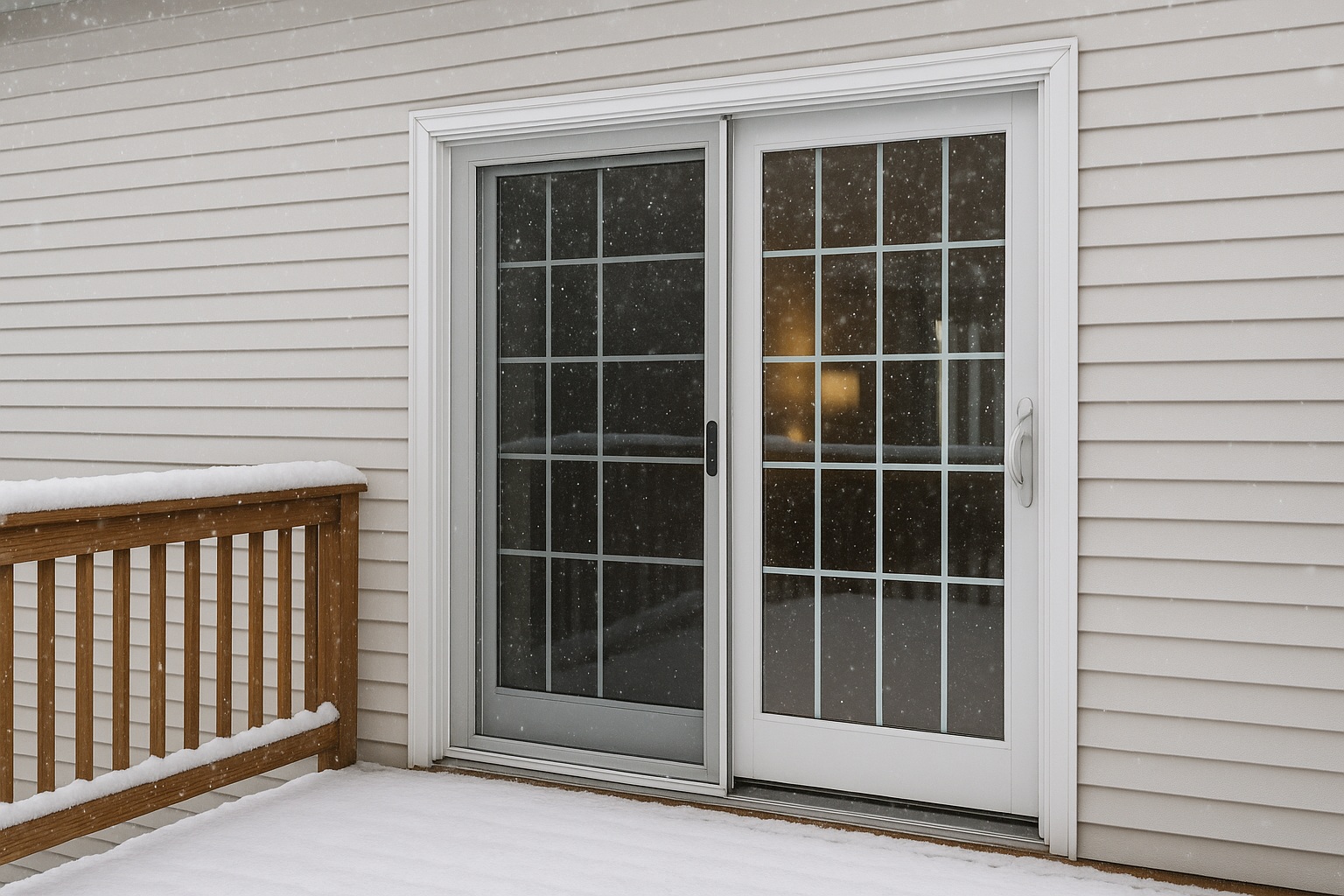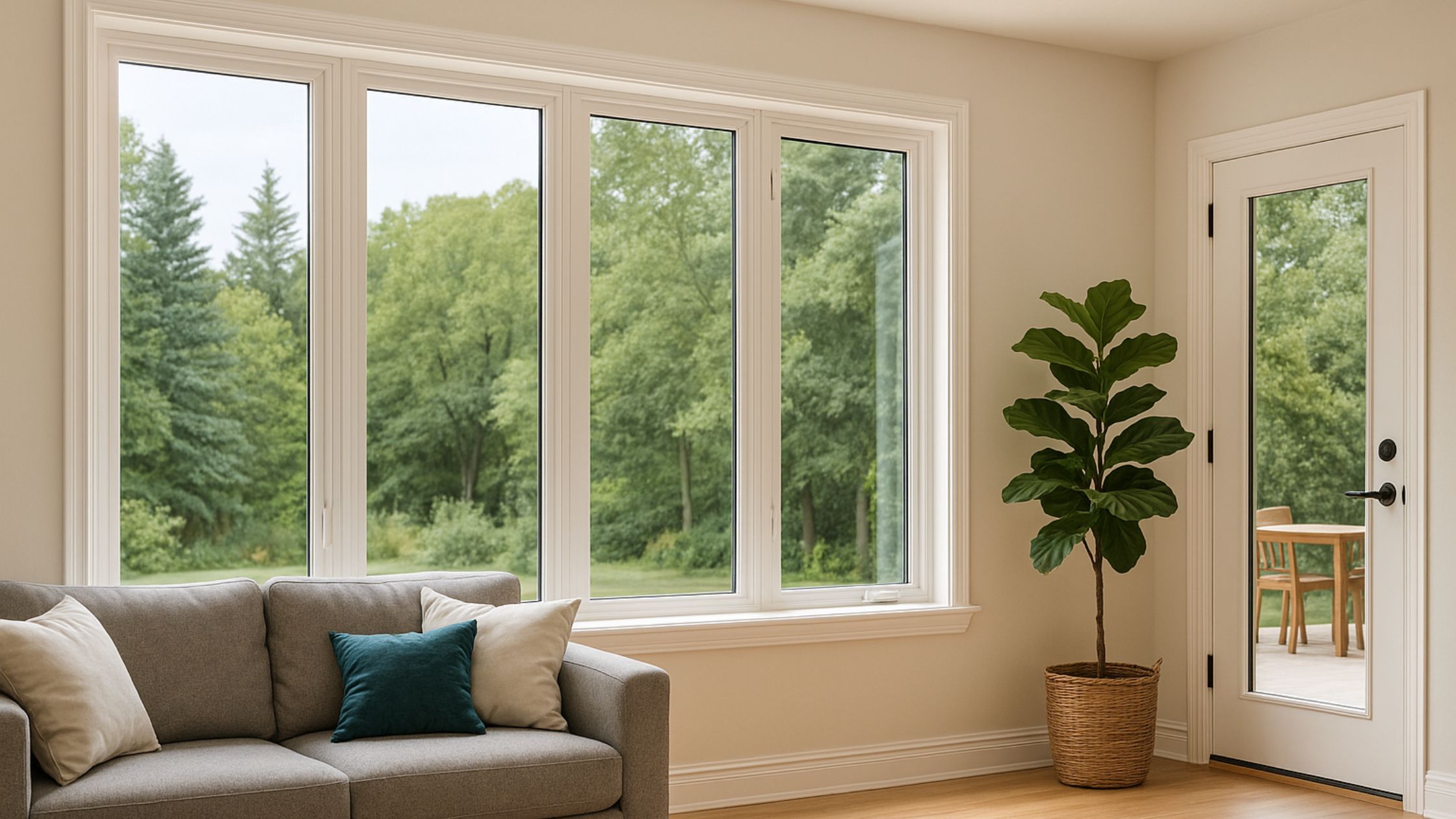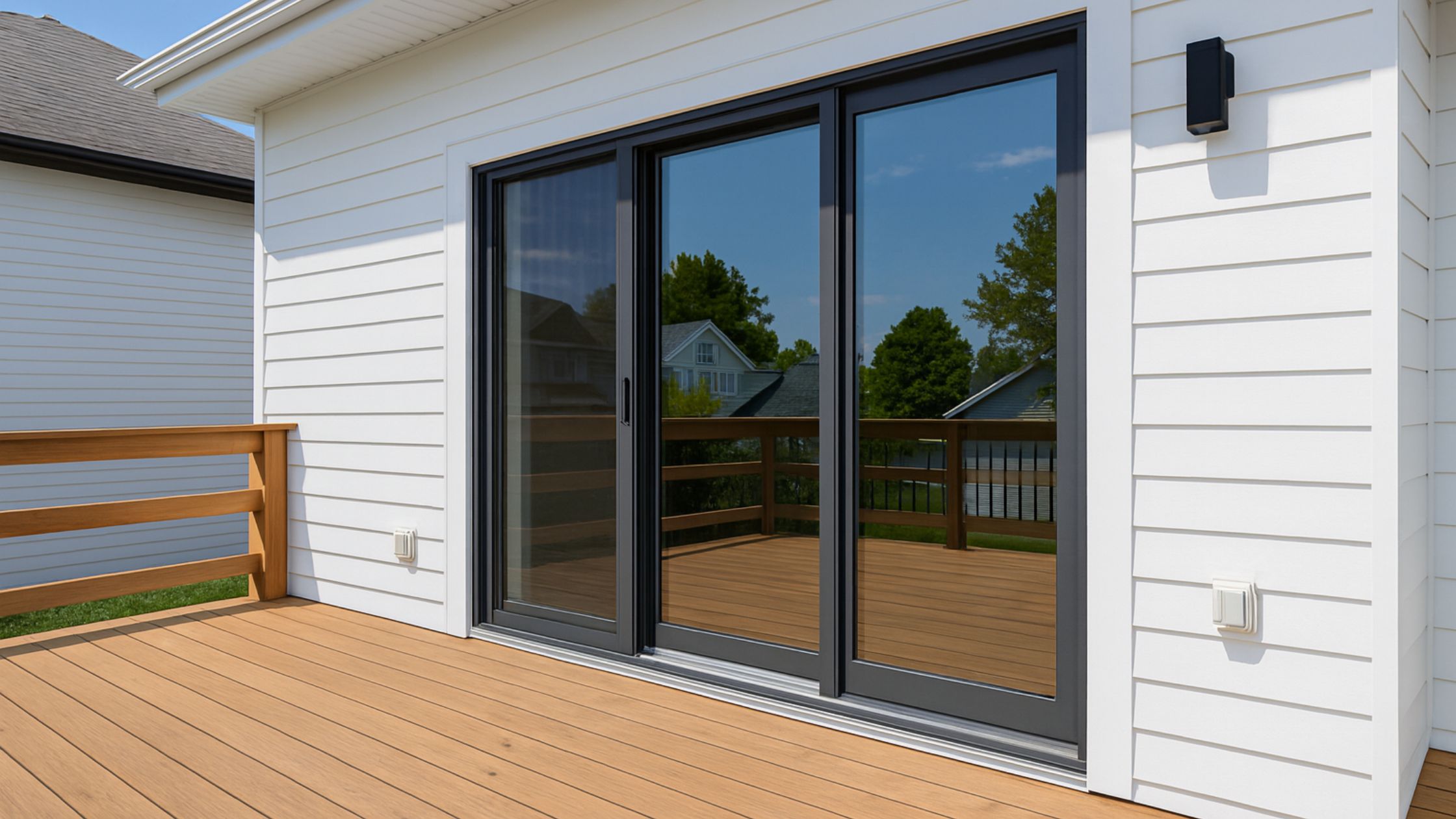
The most common standard door size is 36 inches wide and 80 inches high (about 914 × 2032 mm) for entry doors. Interior doors usually keep the same height but vary between 24 and 36 inches in width, depending on room use.
If you have ever struggled to move a mattress through a doorway or felt cold air near the entrance during winter, door size often plays a role.
In Canadian homes, where insulation and tight sealing matter, the right door dimensions help prevent drafts and improve everyday comfort. Choosing the correct size also makes renovations and replacements much smoother later on. Read on to explore common door sizes and how to measure them correctly.
What Is the Standard Door Size for Most Homes in Canada?
In most Canadian homes, you will find doors measuring 80 inches high and 36 inches wide. Exterior doors are typically 1¾ inches thick for strength and insulation, while interior doors usually measure 1⅜ inches thick for standard residential use.

Standard Front Door Size
In most Ontario homes, your standard front door size is 36 inches wide and 80 inches high. This size fits common residential framing used in detached houses. The wider opening helps you move furniture, appliances, or strollers comfortably through the main entrance.
In many newer Ontario homes, you may also see 96-inch-tall front doors, especially in modern builds with higher ceilings and larger entryways. Homeowners rely on door replacement services to ensure the new front door operates smoothly and remains energy efficient.
Standard Interior Door Size
In most Canadian homes, the standard interior door size is 80 inches high. The width usually varies between 24 and 36 inches, depending on the room layout. Most passage doors measure 30 or 32 inches wide, which provides comfortable movement between rooms.
Interior doors are typically 1⅜ inches thick. This thickness fits standard door frames and jambs used in residential construction. With these dimensions, the door sits properly within the frame and operates smoothly during everyday use.
Standard Size for Exterior Doors
This ideal size is typically 36 inches wide and 80 inches high, which fits common residential framing and pre-hung door systems.
This dimension works well for everyday use. It gives you enough clearance to move furniture, appliances, or large boxes through the entrance without difficulty. Exterior doors are also built thicker than interior doors. Most measure 1¾ inches thick, helping improve insulation, strength, and durability in cold Canadian climates.
Standard Size for French Doors
French doors usually consist of two hinged panels that open from the center. A common standard French door size uses two 30- or 36-inch panels, creating a total opening between 60 and 72 inches wide with a typical height of 80 inches.
French doors are often installed between living spaces and patios because the glass panels bring natural light inside. Many homeowners upgrade to French doors during renovations to improve both appearance and outdoor access.
Standard Sliding Glass Door Size
In many Canadian homes, the standard sliding glass door size is about 80 inches high and 72 inches wide. These patio doors bring natural light inside and connect indoor spaces to decks or backyards. Their insulated glass panels also help maintain indoor warmth during long Ontario winters.
Standard Size for Garage Doors
Garage doors follow different measurements than entry doors. A common standard garage door size for a single vehicle is 8–10 feet wide and about 7–8 feet high. These dimensions give drivers enough clearance while protecting vehicles from snow, freezing rain, and harsh Canadian winter conditions.
Standard Bedroom Door Size
The standard bedroom door size is usually 30 or 32 inches wide and 80 inches high. This width helps you move beds, dressers, or mattresses through the doorway. In many Canadian homes, these doors also support comfortable airflow between rooms during seasonal temperature changes.
Standard Bathroom Door Size
A typical standard bathroom door size measures 28 to 30 inches wide with an 80-inch height. This slightly narrower opening fits smaller bathroom layouts while maintaining privacy. In colder climates like Ontario, well-sealed bathroom doors also help control humidity and temperature between rooms.
Standard Door Width for Wheelchair Access
For accessibility, the recommended door width for wheelchair access is at least 36 inches. This dimension provides enough clearance for most mobility devices to pass comfortably. Many modern Canadian homes include wider doors to support accessibility needs and future home usability.
What is the Standard Patio Door and French Door Sizes
The standard patio door size is about 72 inches wide and 80 inches high. A typical standard French door size uses two door panels measuring 30–36 inches each, creating openings between 60 and 72 inches.
If your living room opens to a deck or backyard, these doors become a key transition point in the home. Large insulated glass panels bring daylight inside during long Ontario winters while maintaining thermal insulation.
Many homeowners upgrade these spaces with patio doors to improve backyard access, airflow, and natural light without modifying the structural door frame.
Standard Door Sizes by Material
While most doors follow the common 80-inch height standard, materials like steel, fiberglass, wood, or composite affect durability, insulation performance, and design flexibility.
| Material | Common Door Sizes |
| Steel | 30″, 32″, 34″, 36″ widths × 80″ height |
| Fiberglass | 30″–36″ widths × 80″ height (some custom sizes available) |
| Wood | 30″–42″+ widths × 80″–96″+ heights |
| Composite / Engineered | Typically 32″–36″ widths × 80″ height |
| Aluminum / Glass Doors | Often 60″–96″ widths × 80″ height (common for patio systems) |
| Vinyl Patio Doors | Usually 60″, 72″, or 96″ widths × 80″ height |
| Hollow-Core Interior Doors | 24″, 28″, 30″, 32″, 36″ widths × 80″ height |
| Solid-Core Interior Doors | Same widths as hollow-core × 80″ height |
Other Factors Affecting Door Size in Canada
Standard measurements provide a starting point, but several real-world conditions influence door sizing in Canadian homes. Climate, building codes, wall framing, accessibility needs, and renovation constraints often determine which door dimensions work best for your house.
Wall Framing and Construction Methods
Most Canadian homes use 2×4 or 2×6 wall framing, which affects the door frame depth and rough opening size. If your home has thicker exterior walls for insulation, installers must match the door frame and jamb depth correctly.
Cold Climate and Energy Efficiency
In Ontario’s long winters, doors must seal tightly to prevent heat loss. Poorly sized doors create air gaps around the frame and threshold. Choosing the correct size helps improve insulation and reduce heating costs during colder months.
Ontario Building Code Requirements
Local building codes influence door dimensions across residential properties. The Ontario Building Code requires minimum clearance for safe entry and exit. For example, many homes must provide 32 inches of clear opening, which impacts door width selection.
Accessibility and Aging-in-Place Design
Many modern Canadian homes now consider aging-in-place design. Wider doors make it easier for wheelchairs, walkers, or strollers to move through the house. As a result, newer homes increasingly use 36-inch interior and entry doors.
Older Home Renovation Constraints
Older houses across Ontario often have smaller door openings. Homes built before modern standards may have 28-inch or 30-inch doors. When replacing them, homeowners sometimes keep the same size to avoid modifying the wall structure.
Furniture and Appliance Movement
Door sizing also affects daily practicality. Wider doors make it easier to move mattresses, refrigerators, and furniture through the home. Many homeowners choose larger openings during renovations to avoid future access problems.
Why Proper Door Sizing Matters for Energy Efficiency
Proper door sizing improves insulation and prevents air leaks around the entry frame. When your door fits correctly, the weatherstripping seals tightly. As a result, you experience fewer drafts and lower heating costs during Ontario’s long winters.
Prevents Air Leakage Around the Door Frame
Cold drafts often enter through gaps around the door frame, jamb, and threshold. When your door does not match the standard exterior door size, the weatherstripping cannot compress evenly. You may first notice this problem during cold mornings in Barrie or Oshawa.
Improves Insulation Around the Rough Opening
When your door fits properly, installers can seal the rough opening for standard door correctly. Foam insulation fills the wall cavity around the frame. This helps prevent hidden air leaks common in older Ontario houses.
Reduces Heating Demand During Ontario Winters
Ontario winters place heavy demand on your home’s heating system. Doors built to the standard door size Canada align properly with the frame and threshold. As a result, your furnace runs less often, and indoor temperatures stay comfortable.
Protects the Entry Frame from Moisture and Snow
Incorrect exterior door dimensions often leave small gaps along the frame. During rain or melting snow, moisture enters the threshold area. Over time, you may notice damage to the flooring, door jambs, or the entry framing.
Ensures Energy-Efficient Doors Perform Correctly
Modern entry doors include insulated cores, compression seals, and thermal barriers. However, these features only work when sizing is accurate. Many homeowners rely on professional door installation services to ensure proper alignment and airtight sealing.
How to Measure a Door for Replacement
To measure a door for replacement, record the door slab size, frame opening, and wall thickness. Accurate measurements help your new door fit correctly and seal properly within the existing frame.
- Start by measuring the width of the door slab from one side to the other, then measure the height from the bottom edge to the top.
- Next, check the door thickness, which is usually 1¾ inches for exterior doors and 1⅜ inches for interior doors.
- Then measure the door frame opening, recording the width and height inside the frame without including trim or moulding.
- After that, measure the rough opening, which is typically about 2 inches larger than the door size, allowing space for alignment and insulation.
- Finally, repeat the width and height measurements at the top, middle, and bottom, since older homes may have slightly uneven frames.
If you are unsure about the measurements, choose door replacement services to confirm the frame size before ordering a new door.
Standard Door Sizes vs Custom Door Size
Most homes use standard door sizes, which fit common residential framing and are easier to install. However, custom door sizes become necessary when your doorway opening, architectural design, or renovation requirements do not match standard measurements.
| Feature | Standard Door Sizes | Custom Door Sizes |
| Availability | Pre-manufactured and widely available | Built specifically for your doorway |
| Typical Dimensions | Common sizes like 36″ × 80″ for entry doors | Can be made to fit non-standard openings |
| Installation | Faster and usually lower cost | Requires precise measurement and longer production time |
| Best Use | Most modern homes with standard framing | Older homes, luxury designs, or unique openings |
When to Call a Professional for Door Replacement
Drafts, sticking doors, or visible gaps often appear in many Ontario homes, especially during winter. When these issues start affecting comfort or energy efficiency, professionals like Polaris Windows can inspect the door size and install a properly fitted replacement.
These conditions usually indicate it’s time to call a professional:
- Door sticks or rubs against the frame
- Cold drafts around the door or threshold
- Door does not latch or lock properly
- Visible gaps between the door and frame
- Warped or damaged door frame
- Door shows moisture damage, rust, or swelling
- Planning a larger entry or patio door upgrade
- Door opening does not match common door sizes for homes
In these situations, homeowners often rely on door replacement services to measure the frame accurately and install a door that fits and seals properly.
In Closing
Understanding the standard door size used in Canadian homes helps you choose the right fit for comfort, insulation, and daily use. From standard door height and width to patio door dimensions or double door openings, knowing these measurements prevents costly mistakes.
If your doorway does not match typical door sizes in Canadian homes, professional guidance becomes essential. For accurate measurements and installation, consider trusted door replacement services to ensure your new door fits perfectly and performs well year-round.
Frequently Asked Questions
1. What is the standard door height used in Canadian homes?
Most residential doors use a standard door height of 80 inches (6 feet 8 inches). Some newer homes install 96-inch doors to match higher ceilings and modern entry designs.
2. What is the typical width of a standard interior door?
Interior doors usually range between 24 and 36 inches wide, depending on the room. Bedrooms commonly use 30–32 inch doors, while closets and bathrooms may use narrower openings.
3. What is the difference between a door size and a rough opening?
The door slab size is the actual door measurement. The rough opening is usually about 2 inches wider and taller, allowing space for the frame, alignment, and insulation.
4. Are door sizes different in older homes?
Yes, many older homes have non-standard door measurements. Renovations often require adjusting the frame or ordering a custom door to fit the existing opening.
5. Can I install a larger door without changing the wall opening?
Usually not. Installing a larger door often requires modifying the rough opening and framing to maintain structural support and proper door alignment.
Matching the size is only half of it. If you are keeping the existing frame, the hinge positions, the thickness and the bevel all have to match too, which we go through in can you replace a door without replacing the frame.