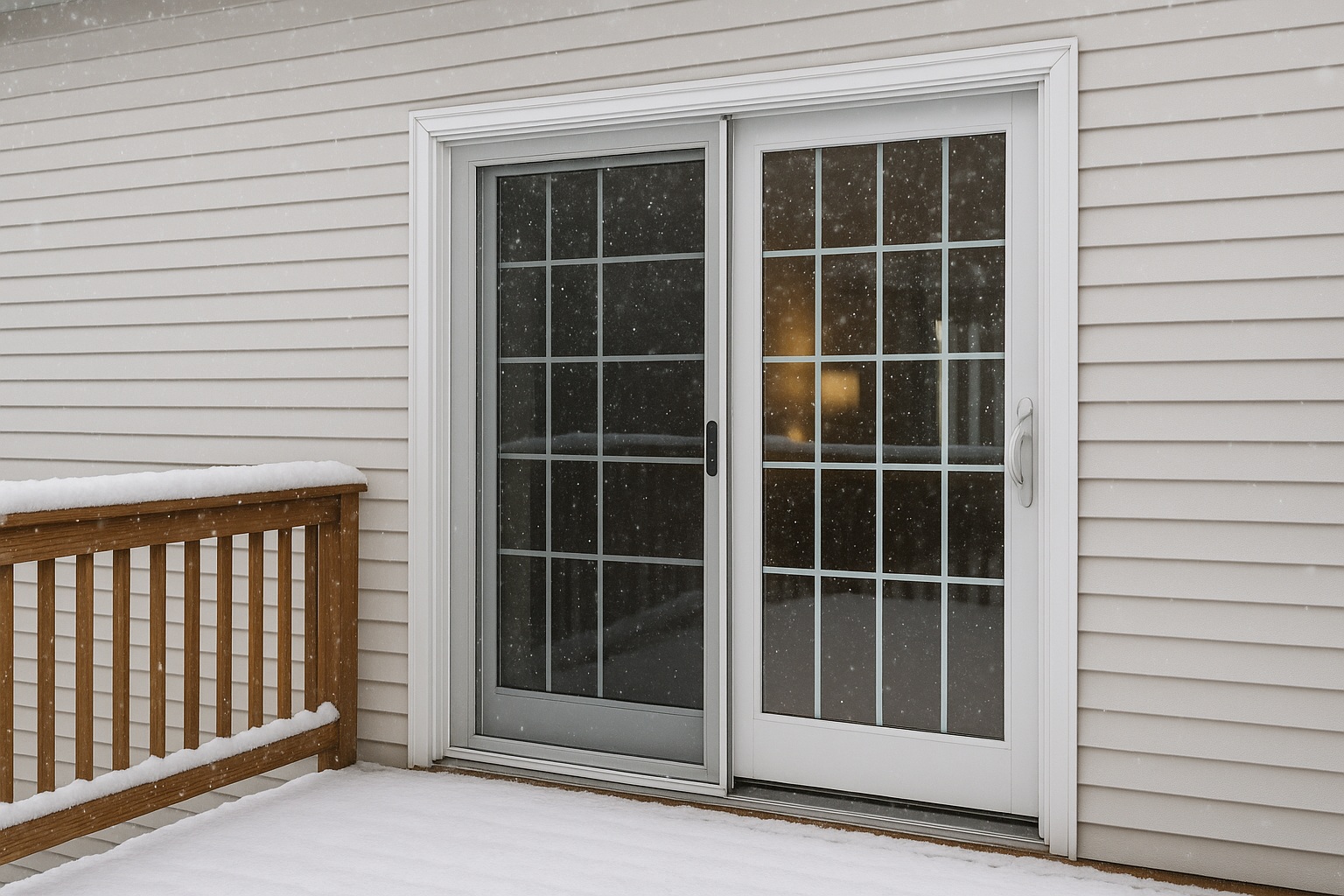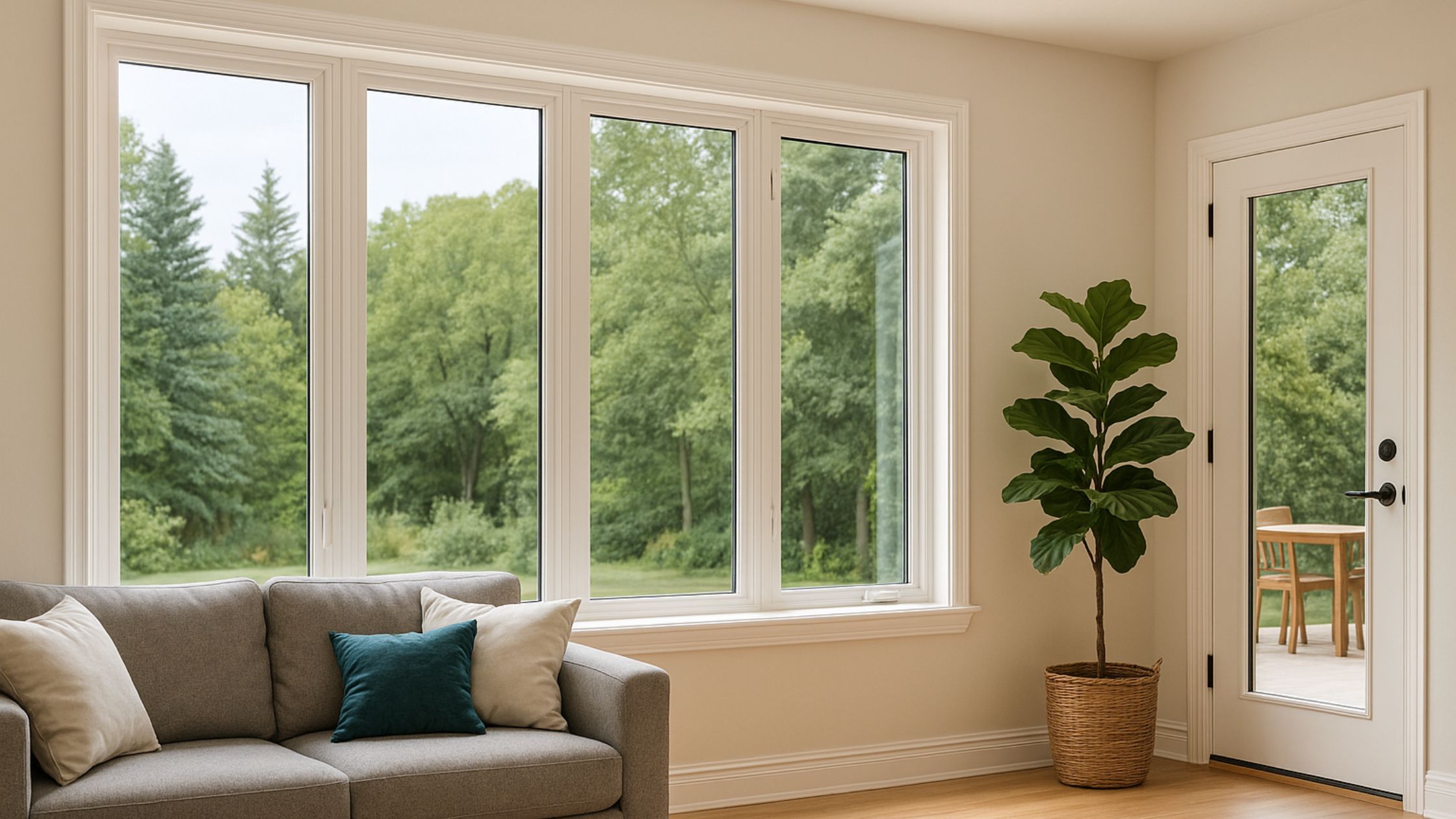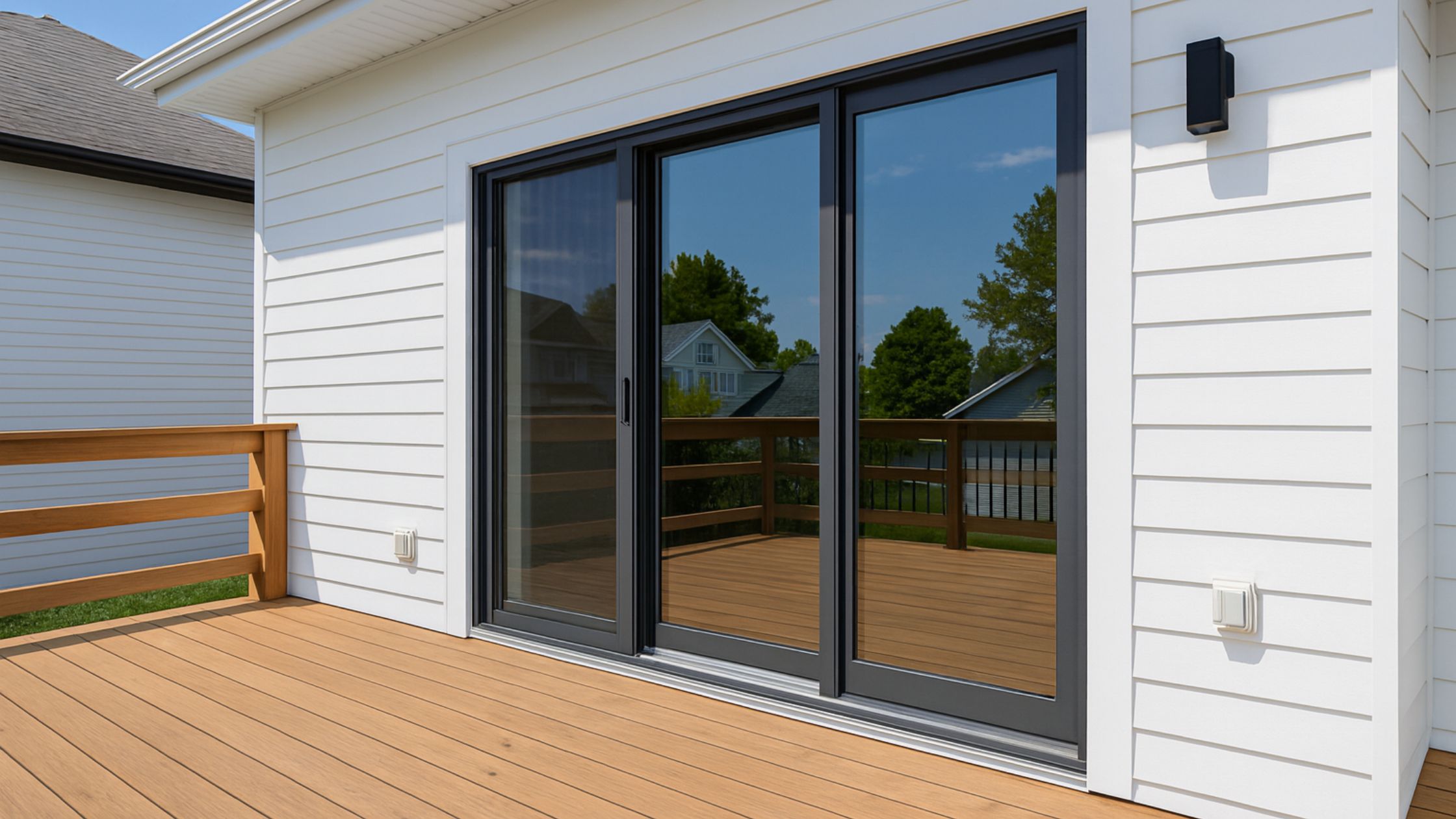
To remove a sliding glass door, lower the roller adjustment screws, remove anti-lift hardware, lift the panel into the upper track pocket, then tilt the bottom rail outward and lift it out.
If you’re trying to figure out how to remove a sliding glass door, you’ll quickly notice the panel doesn’t always lift the way you expect. You raise it slightly, but it still feels stuck. In most cases, the issue isn’t strength. It’s small things like roller pressure, hidden anti-lift screws, or debris inside the track holding it in place.
Once you understand where the door actually releases from the frame, the job becomes much easier. Read on to learn the exact steps, common obstacles, and practical tips professionals use.
When Do You Need to Remove a Sliding Glass Door?
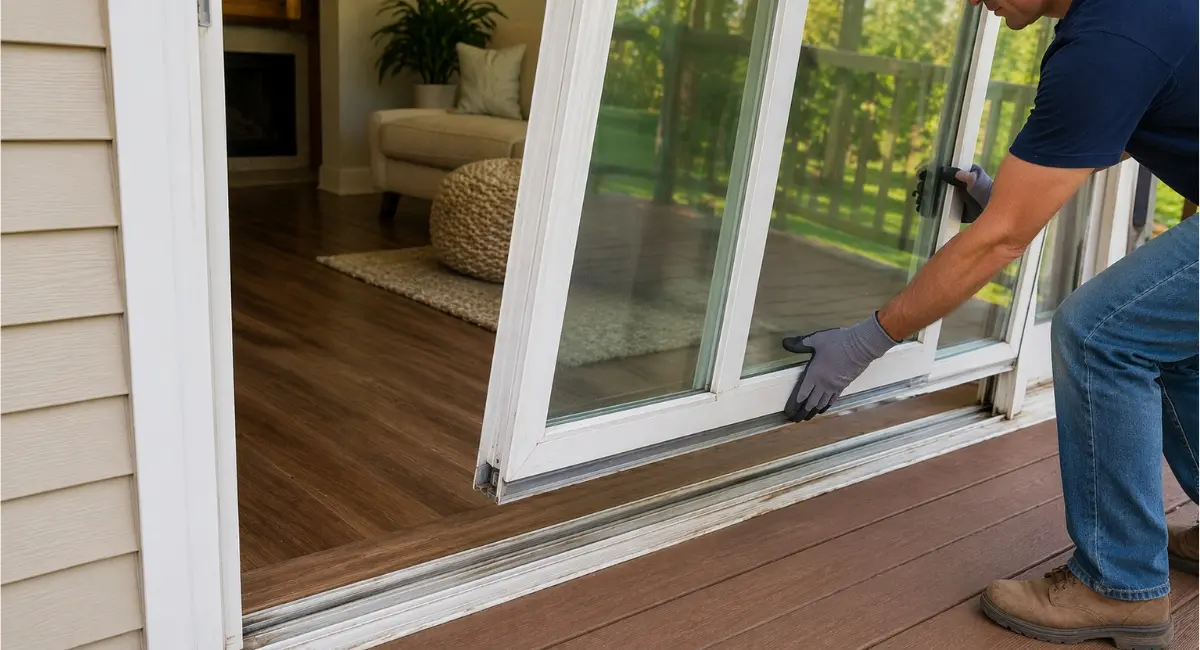
Many homeowners across Vaughan and the Greater Toronto Area begin sliding glass door removal during repairs, renovations, or before installing modern sliding patio doors.
1. The Door Moves, But the Frame Twists Slightly
Watch the frame corners when you slide the door. Sometimes the panel moves, but the frame flexes. That usually means the patio door frame lost structural alignment. Older GTA homes settle slightly. That movement stresses the sliding door track system.
2. The Door Lifts Slightly While Sliding
A properly installed patio door stays perfectly level. If the panel lifts slightly during movement, the rollers no longer sit square in the track. That usually means the sliding patio door rollers have worn unevenly.
3. The Door Slides Diagonally Instead of Straight
Look closely while opening the panel. Does one side move faster? That indicates uneven roller height. Many homeowners assume dirt causes this. Actually, the roller adjustment screws often seize inside the frame.
4. The Door Frame Feels Cold Along One Side
Place your hand along the aluminum frame during winter. If one side feels colder, the frame may be separating from the wall opening. That gap allows air infiltration around the door threshold and patio door section.
5. The Fixed Glass Panel Slightly Vibrates
Tap gently near the stationary glass section. If you feel vibration, the stationary patio door panel brackets are likely loosened. Installers anchor that panel into the structural frame. Once loosened, the entire system loses rigidity.
6. Condensation Appears Only Along One Edge
Fog inside the glass usually spreads evenly. When condensation appears only near one corner, the insulated glass seal has partially failed. That failure often begins where the tempered glass patio door panel meets the spacer bar.
7. The Door Leaves Metal Dust on the Track
This is a hidden warning sign many homeowners miss. Tiny metal shavings appear along the rail. That means the aluminum track is grinding under pressure. Eventually, the door will require full sliding door track removal or professional door replacement services to restore smooth operation.
Tools You’ll Need to Remove a Sliding Glass Door
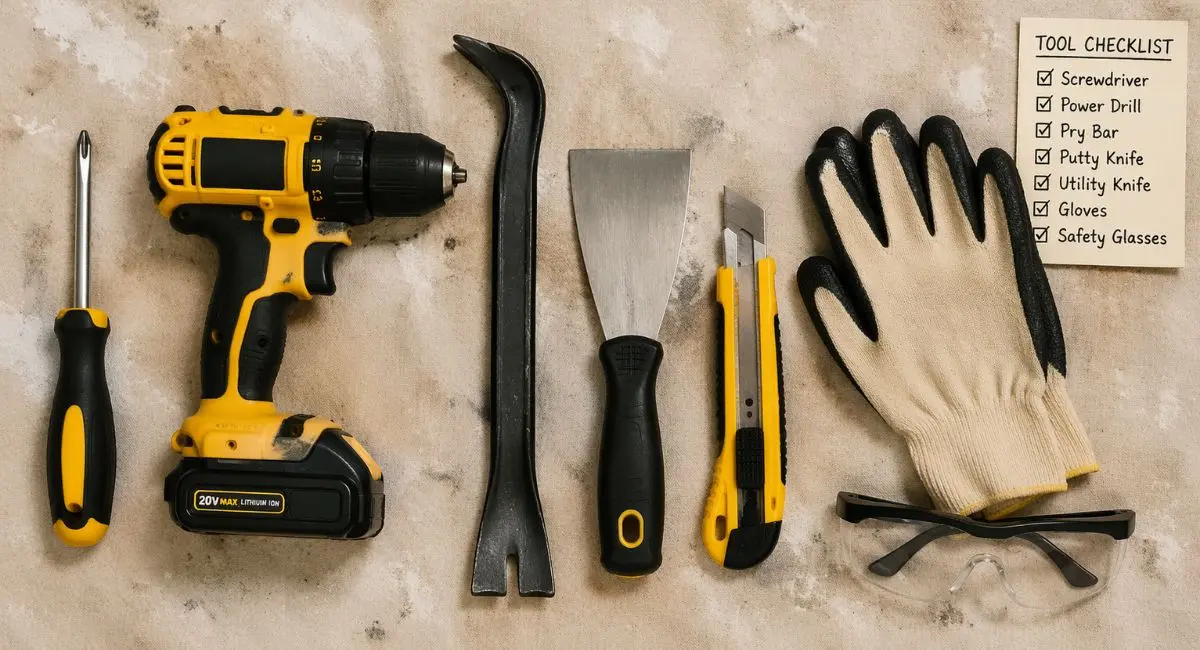
Before starting sliding glass door removal, gather these basic tools so the process goes smoothly.
Tools checklist
- Phillips screwdriver
- Power drill
- Putty knife
- Pry bar
- Utility knife
- Work gloves
- Safety glasses
- Drop cloth or blanket
- A second person to help lift the door
Read More: How New Windows & Doors Help Improve Indoor Air Quality
Step-by-Step: How to Remove a Sliding Glass Door Safely
If your patio door has become difficult to slide or you’re preparing for renovation work, removing the panel correctly prevents damage to the track and frame.
Many sliding doors in Toronto-area homes sit in aluminum frames exposed to freeze–thaw expansion, which can tighten the track system over time.
Step 1: Prepare the Area and Protect the Glass
Before touching the door, clear the space around it. Curtains, rugs, and furniture can block movement when lifting the panel.
Lay a drop cloth or blanket on the floor inside the doorway. This protects the flooring when the glass panel is removed.
For additional protection, apply masking tape across the glass in a crisscross pattern. If the glass cracks during removal, the tape helps keep fragments together.
Wear work gloves and safety glasses before handling the panel.
Step 2: Lower the Roller Assembly Inside the Panel
Open the sliding door halfway so the lower rail is visible.
Near the bottom corners, you will find small access holes that contain the roller adjustment screws. Use a Phillips screwdriver or power drill to rotate these screws counter-clockwise.
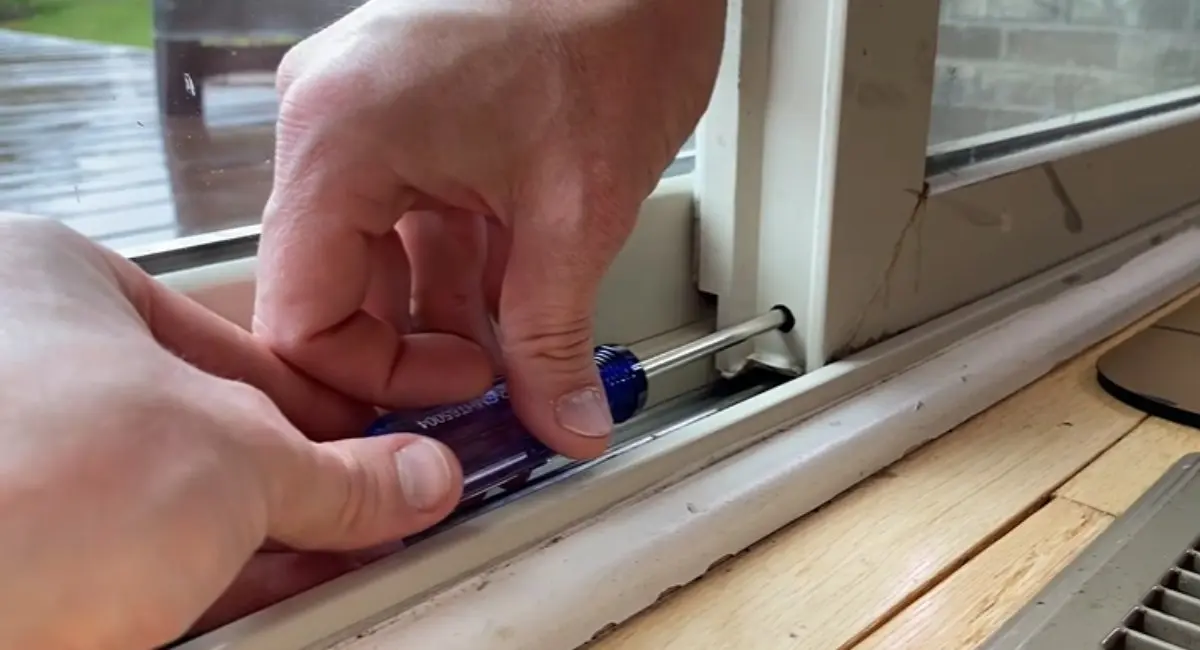
This retracts the sliding patio door rollers upward inside the panel frame. Lowering the rollers removes pressure from the sliding door track system, creating the clearance needed to lift the door.
In many GTA homes, sand, salt, and dust accumulate inside roller channels during winter, which often explains why the door begins sticking.
Step 3: Lift the Sliding Panel Out of the Track
Stand inside the room and hold both vertical sides of the sliding door frame.
Lift the panel upward until the top rail enters the header track pocket. Sliding patio doors are designed with extra head clearance so the lower rail can clear the track when lifted.
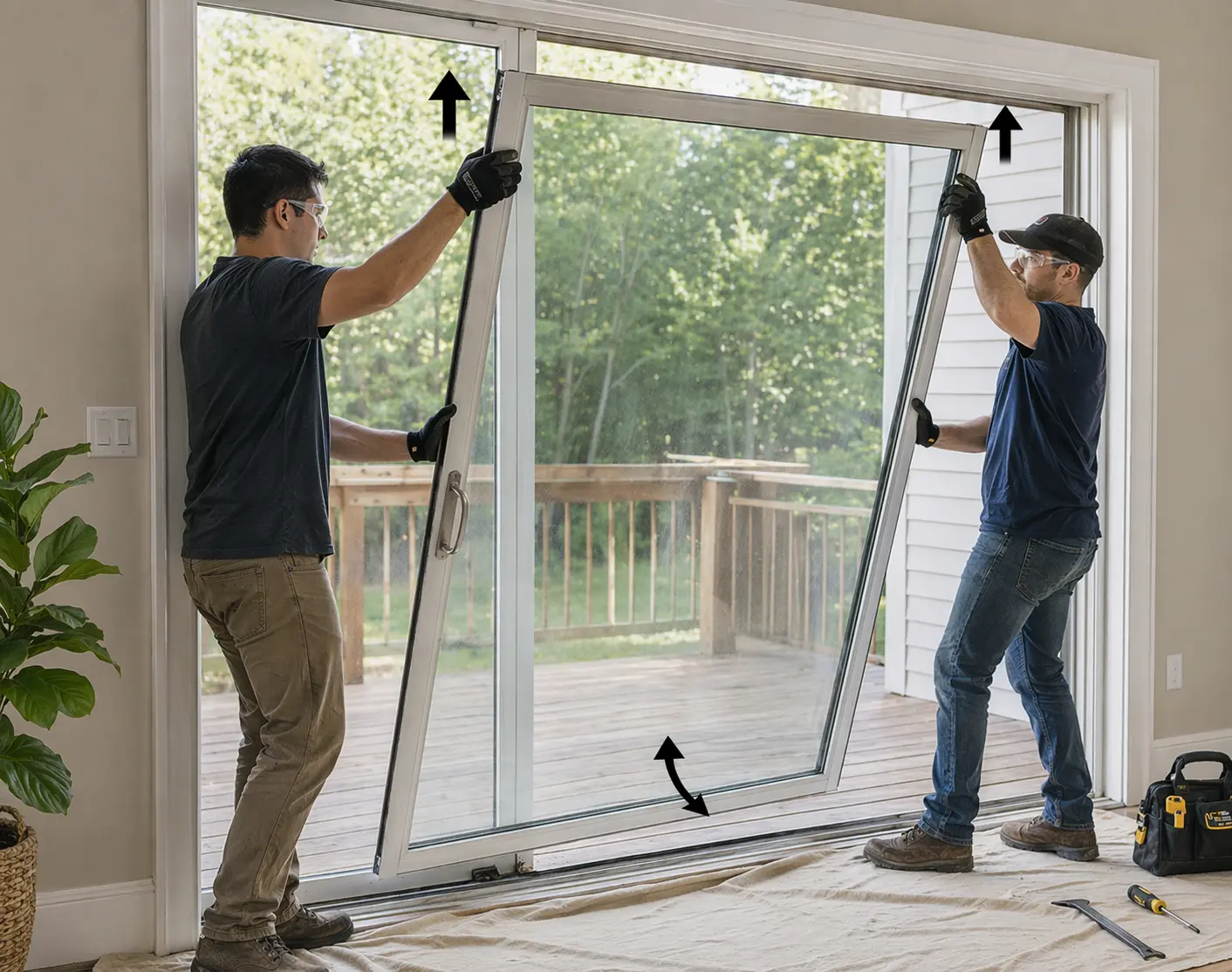
Once the bottom edge clears the track, pull the panel inward toward the room.
Because tempered glass patio door panels are heavy, it is safer to have a second person assist during this step.
Place the removed panel carefully on the blanket.
Read More: How To Protect Your Home With New Doors and Windows
Step 4: Remove the Stationary Glass Panel
With the sliding panel removed, the fixed glass section becomes accessible.
Look for small metal brackets securing the stationary patio door panel to the patio door frame. Remove these screws using a screwdriver or drill.
If silicone sealant bonds the panel to the frame, cut the joint carefully using a utility knife.
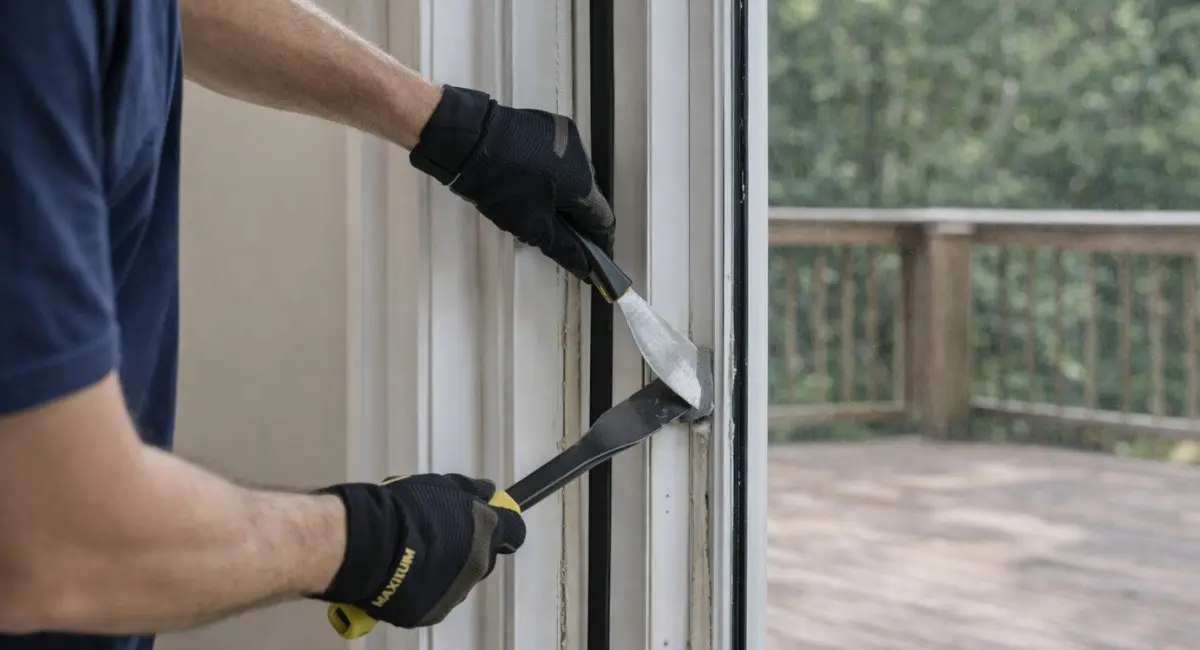
Then gently loosen the panel using:
- a putty knife to separate the sealant
- a pry bar to release the panel from the frame
Work gradually along the frame edge so the aluminum structure does not bend.
Step 5: Remove the Patio Door Frame
If you are replacing the entire door system, the outer frame must also come out.
Look around the perimeter of the patio door frame for screws securing it to the wall opening. Remove them with a screwdriver or drill.
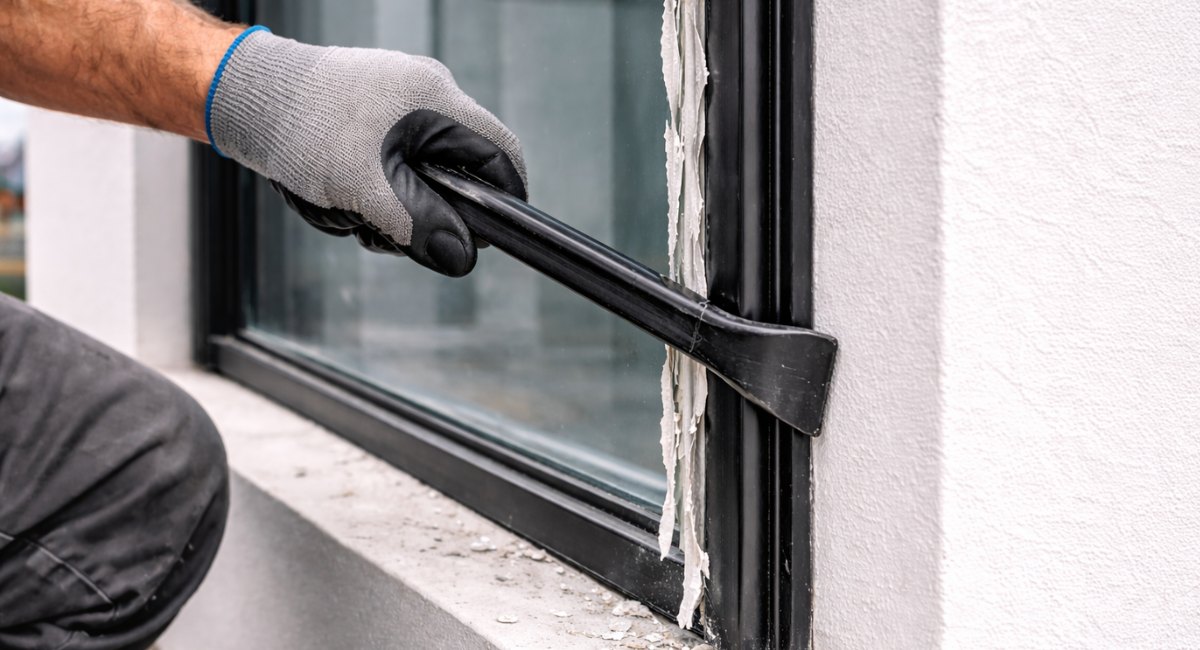
If silicone adhesive seals the frame to the wall, cut along the perimeter with a utility knife.
Insert a pry bar between the frame and wall to loosen the structure evenly.
In older homes around Mississauga, Vaughan, and Markham, aluminum frames sometimes expand slightly due to seasonal temperature changes, which can make them tighter inside the opening.
Step 6: Inspect and Clean the Door Opening
Once the frame is removed, take a moment to inspect the opening before installing a new door.
| Component to Inspect | What to Check |
| Sliding patio door rollers | flattened bearings or damaged wheels |
| Sliding door track system | dents or aluminum deformation |
| Door threshold patio door sill | blocked drainage channels |
| Patio door frame corners | corrosion or moisture damage |
Cleaning the track and frame at this stage helps prevent future sliding problems.
If the frame or track shows significant wear, many homeowners choose patio door replacement rather than reinstalling the old unit.
How Long Does It Take to Remove a Sliding Patio Door?
Removing a sliding patio door usually takes 30–60 minutes when the sliding panel lifts freely from the track system. The process may take longer if the stationary panel or patio door frame also needs removal.
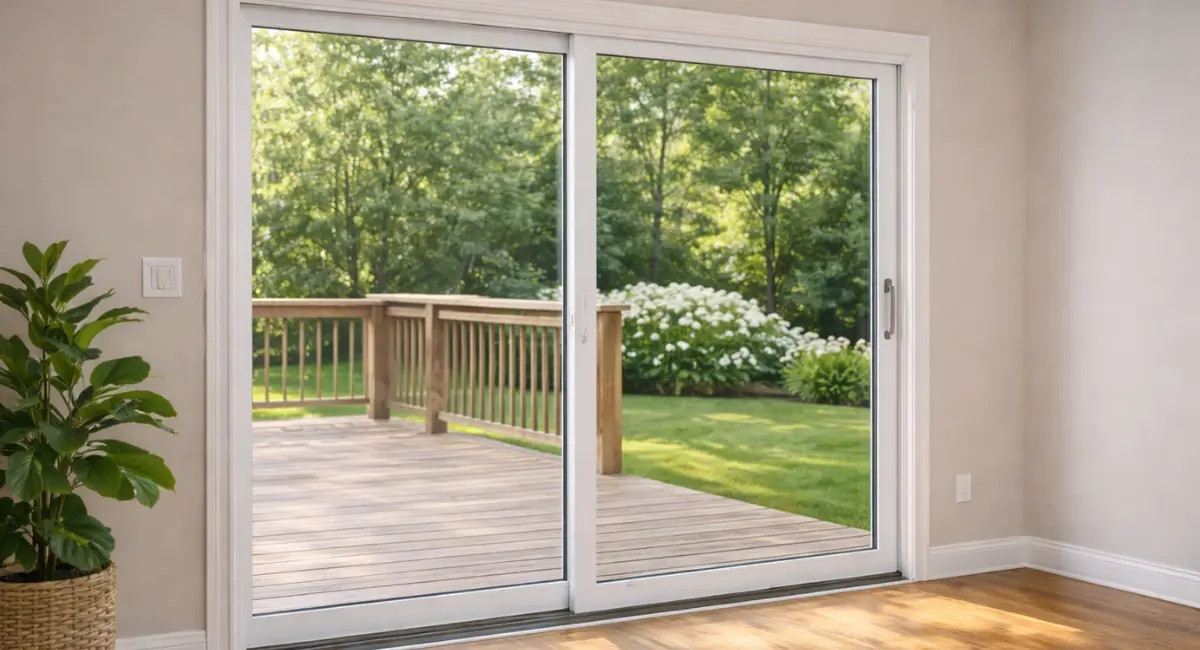
If you’re planning this project at home, expect removal time to vary depending on the condition of the sliding patio door rollers, debris inside the sliding door track system, and sealant around the patio door frame.
In older Vaughan homes, patio door frames may tighten slightly due to seasonal temperature changes, which can add a little extra time during removal.
Read More: Is Patio Door Replacement Necessary While Building a New Deck?
Why Your Sliding Glass Door Won’t Come Out (And How to Fix It)
Sometimes a sliding patio door refuses to lift out even after following the normal removal steps. Usually, a small hardware piece, roller pressure, or track obstruction is preventing the panel from moving.
1. Anti-Lift Screws Are Still Installed
Many patio doors include anti-lift screws and sliding door hardware along the top rail. These security screws block vertical movement, so the panel cannot lift out of the track.
How to Fix
- Inspect the top edge of the sliding panel
- Locate the anti-lift screws
- Remove them using a screwdriver
- Try lifting the panel again
2. Roller Height Is Still Too High
If the sliding patio door rollers remain extended, the panel cannot lift high enough to clear the track.
How to Fix
- Locate roller adjustment screws at the bottom rail
- Turn screws counter-clockwise
- Retract rollers into the frame
- Lift the panel again
3. Door Stop Hardware Is Blocking the Panel
Some sliding doors include door stop hardware and sliding door brackets inside the upper track. These stops prevent the door from being lifted out.
How to Fix
- Inspect the upper interior track
- Look for metal stop brackets or strips
- Remove the screws holding them
- Lift the panel again
4. Debris Is Jammed in the Track
In many Vaughan homes, dust, sand, and winter salt often collect inside the sliding door track system, which can prevent the rollers from moving freely.
How to Fix
- Vacuum dirt from the track
- Use a brush to clean the corners
- Wipe the track with warm water
- Dry the track before lifting again
5. The Glass Panel Is Heavier Than Expected
Large tempered glass patio door panel units can weigh over 100 pounds. Lifting unevenly often causes the panel to bind in the track.
How to Fix
- Ask a second person to help
- Lift both sides evenly
- Raise the panel fully into the top track
- Pull the bottom rail outward together
If your sliding door still won’t move after checking these issues, the track or frame may be damaged. In that case, many homeowners choose professional door replacement instead of reinstalling the old unit.
Common Mistakes to Avoid When Removing a Patio Door
Many DIY homeowners run into problems during sliding glass door removal simply because small but critical steps are missed.
- The panel cannot lift high enough if the roller adjustment screws remain extended.
- Anti-lift screws and sliding door hardware prevent the panel from lifting out of the track.
- Metal stop brackets inside the header track physically block the door from lifting upward.
- The panel must rise fully into the header pocket before the bottom rail can clear the sliding door track system.
- A tempered glass patio door panel often weighs 80–120 pounds, making single-person lifting unsafe.
- Sand, dust, and winter salt buildup, common in Toronto-area homes, can jam rollers inside the track.
- Aggressive prying can bend aluminum frames or damage the door threshold and patio door sill.
- Some patio door designs require removing the stationary patio door panel before the sliding section.
- Exterior sealant can tightly bond the patio door frame to the wall opening.
- Placing the removed door directly on the floor can chip the edges of the tempered glass panel.
Read More: Window & Door Installation in Ontario: What to Expect?
DIY vs Professional Patio Door Replacement in the Greater Toronto Area
DIY patio door replacement can work if the panel, rollers, and frame come out easily and you have the right tools and lifting support. However, many Greater Toronto Area homes have worn sliding patio door rollers, tight patio door frames, or debris in the sliding door track system, which makes removal harder.
If your sliding patio door feels stuck or difficult to remove, our team at Polaris Windows & Doors provides expert door replacement and installation for homeowners across Vaughan and the Greater Toronto Area.
Frequently Asked Questions
Should You Repair or Replace Your Sliding Patio Door?
If the issue is limited to worn sliding patio door rollers or minor track debris, repair may be enough. However, damaged frames, cracked glass, or severe track wear usually make sliding patio door replacement the better long-term solution.
How Heavy Is a Sliding Glass Door?
A typical sliding glass door panel weighs 70–120 pounds, depending on glass thickness and frame size. Larger double-pane patio doors can weigh even more, which is why removing the panel often requires two people.
What Are the Benefits of Upgrading to a Modern Sliding Patio Door?
Modern sliding patio doors offer better insulation, smoother roller systems, and stronger tempered glass panels. Upgrading can improve energy efficiency, increase natural light, and make daily door operation much smoother and quieter.
With the panel out you can finally see the track and the frame, which is when the real decision gets made. See whether a door can be replaced without the frame for how a worn track changes the answer.