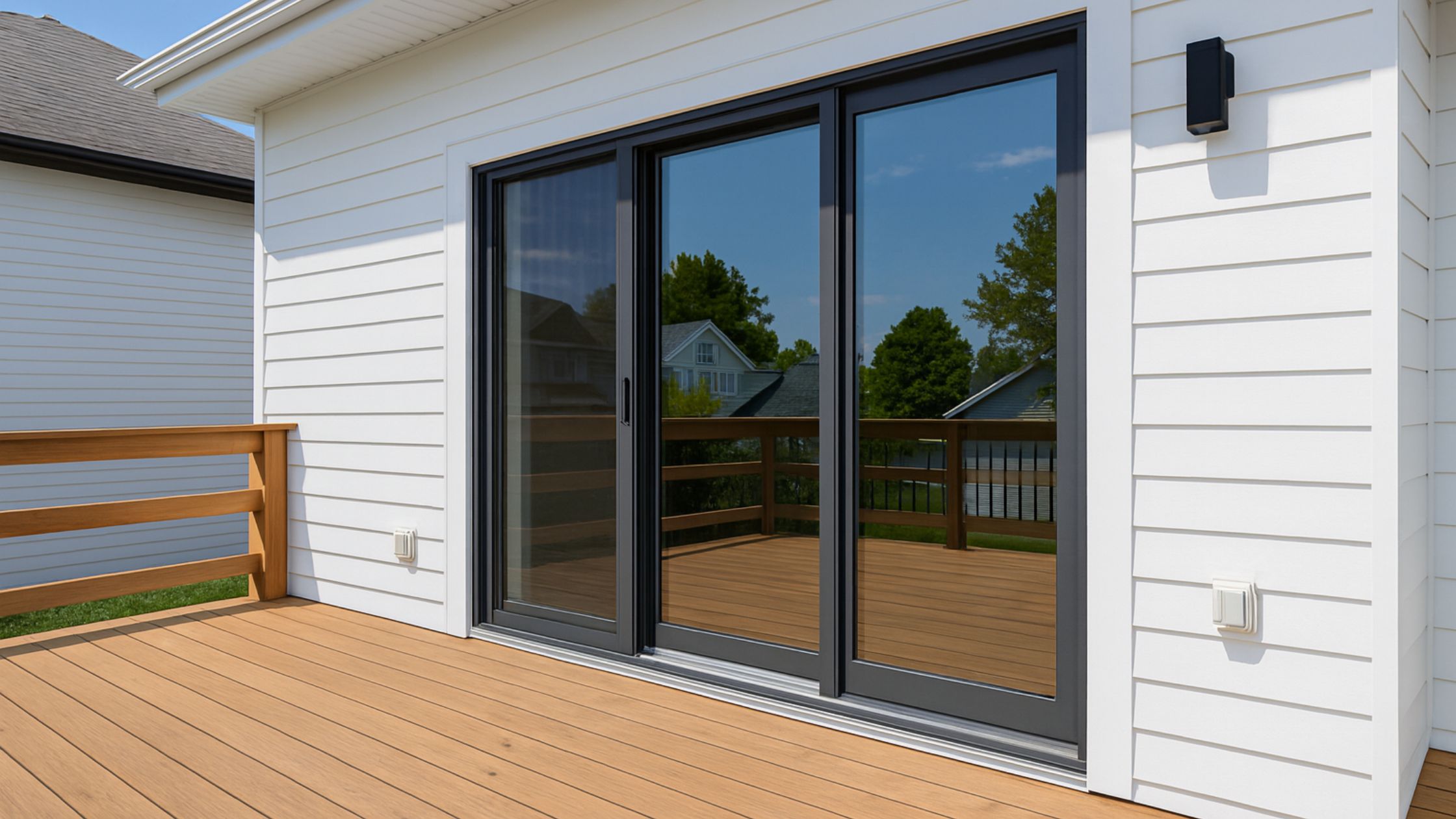
This is one of the most common questions we get before a job starts, and the honest answer is that it depends on one thing more than any other: whether the hole in your wall is changing size.
Ontario window permits are governed by the Ontario Building Code, but permits themselves are issued by your municipality, so Vaughan, Toronto, Markham and Richmond Hill each run their own process. The rule of thumb below holds across the GTA, and we confirm the specifics with the local building department on every job where it matters.
The Short Answer
If you are replacing a window with a new one of the same size, in the same opening, you generally do not need a building permit in Ontario. This is treated as maintenance and repair rather than structural work.
If the opening changes size in any way, you almost certainly do need one. Making a window wider, taller, shorter, cutting a brand new opening, or filling an existing one in all count as structural alterations, because they affect the wall that carries load above the window.

When You Need a Permit
- Enlarging or reducing an existing window opening, even slightly.
- Cutting a new opening into an exterior wall.
- Removing a window and bricking or framing the opening closed.
- Converting a window into a door, or a door into a window.
- Any change that affects a lintel, header or load-bearing element above the opening.
- Adding or enlarging a basement window to meet egress requirements.
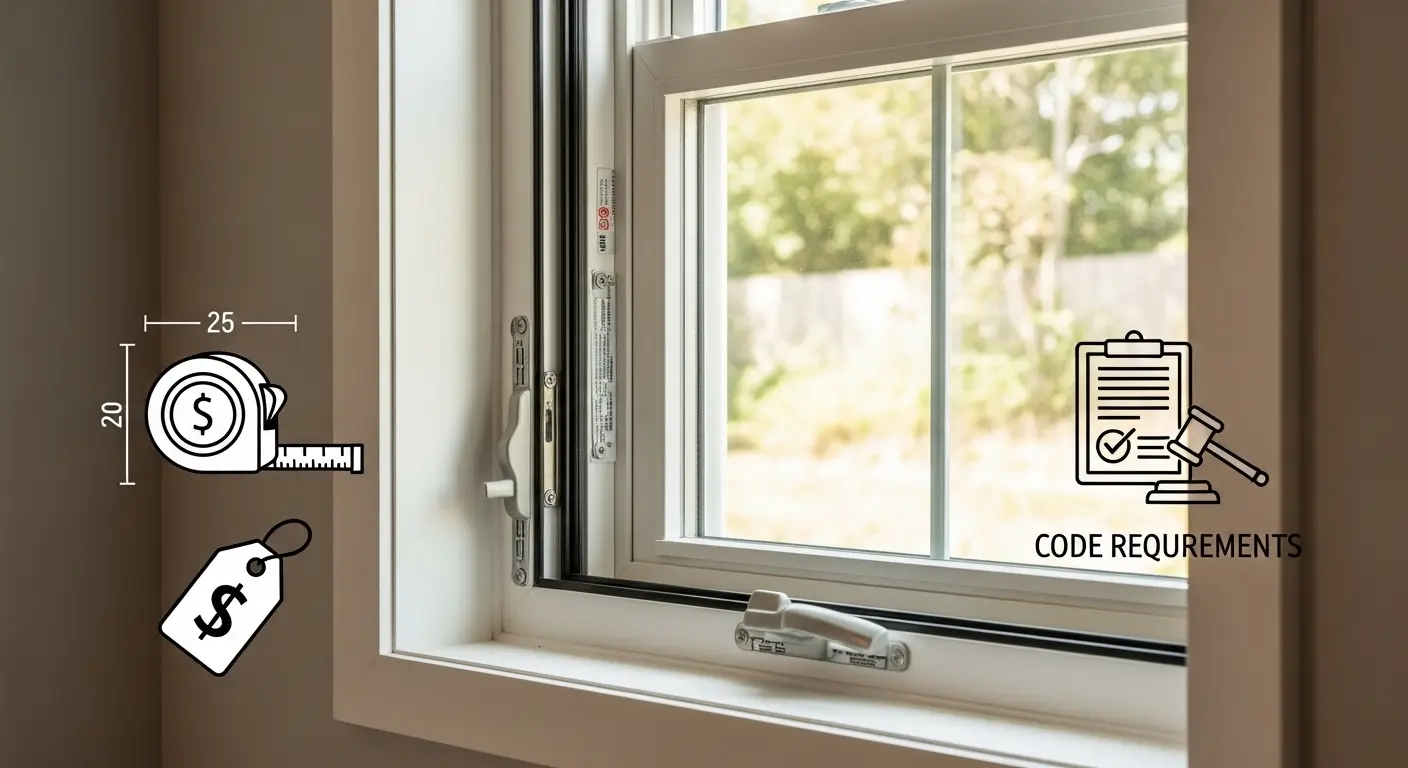
That last one catches people out. Basement bedroom windows have to meet minimum egress sizing so somebody can get out in a fire, and enlarging a basement opening to hit that standard is structural work involving the foundation wall. It needs a permit and it needs an engineered approach. If you are looking at a basement bedroom, read our guide to egress casement window size, cost and code requirements before you plan anything.
When You Usually Do Not
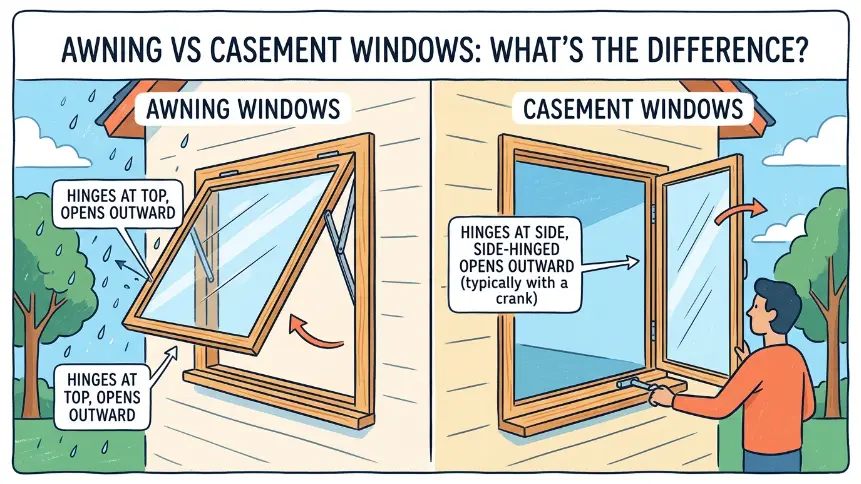
A straight like for like replacement in the existing opening is the common case and it typically needs no permit. Changing the style within the same opening, for example swapping a slider for a casement, is normally fine as long as the rough opening is untouched. Replacing glass in an existing sash, or replacing a sash while keeping the frame, is maintenance.
Upgrading from double pane to triple pane does not trigger a permit on its own either, since the opening stays the same.
The Exceptions Worth Knowing
A few situations override the general rule, and they are worth checking before you book any work.
Heritage properties. If your home is designated under the Ontario Heritage Act, or sits inside a heritage conservation district, you may need municipal heritage approval even for a same-size replacement. Materials, profiles and grille patterns can all be conditions of approval.
Condominiums and townhouses. Windows in a condo are often common element property rather than yours. Even where a permit is not needed, board approval usually is, and many corporations specify the exact product and colour so the building stays uniform.
New builds still under Tarion warranty. Altering windows can affect warranty coverage. Check before you change anything.
What Happens If You Skip It
Work done without a required permit does not simply go unnoticed. It surfaces at the worst possible moment, which is usually when you sell. Buyers' lawyers request an open permit and compliance search, and unpermitted structural work shows up there. At that point you are looking at a delayed closing, a price reduction, or retroactive permitting that can mean opening up finished walls so an inspector can see what is behind them.
Insurance is the other exposure. If an unpermitted alteration contributes to a claim, coverage can be reduced or denied. Municipalities can also issue orders to comply and charge double permit fees for work started without one.
Who Pulls the Permit
The property owner is legally responsible, but a competent contractor handles the application as part of the job. When we quote work that needs a permit, we tell you at the quote stage rather than after the deposit, and the drawings and application are part of what you are paying for.
Be wary of any installer who tells you a permit is never needed for windows. That is only true for same-size replacements, and an installer who does not draw that distinction is one who has not thought about the wall above your window.
The Practical Takeaway
Same hole, new window: proceed. Different hole: permit. Anything involving a basement bedroom, a heritage designation or a condo: ask first.
Polaris Windows and Doors handles window replacement and window installation across Concord, Vaughan and the wider GTA, and we confirm permit requirements with your municipality before work is scheduled. Get in touch for a measured quote that tells you up front whether a permit applies to your project.