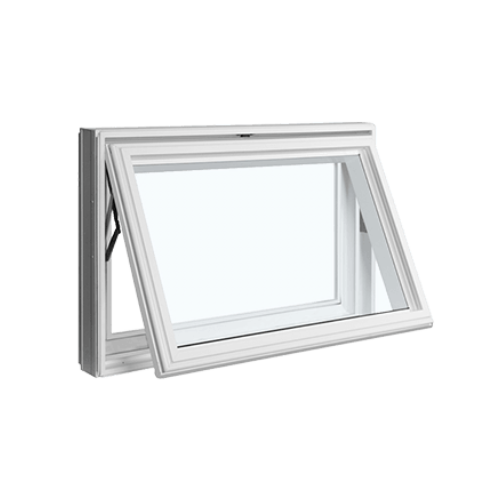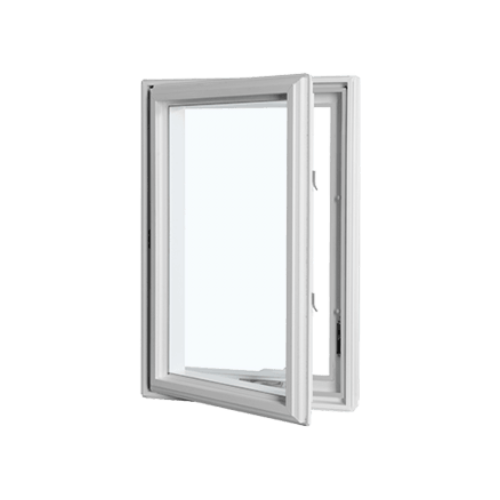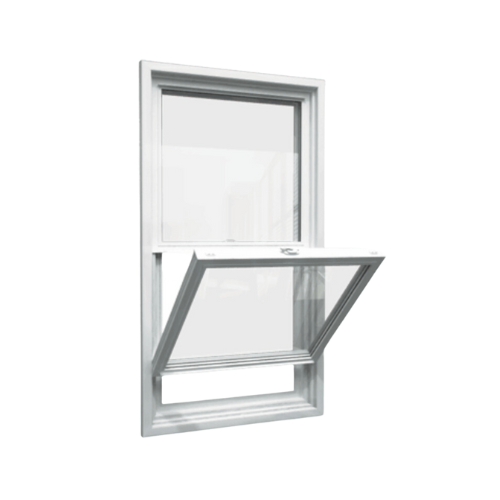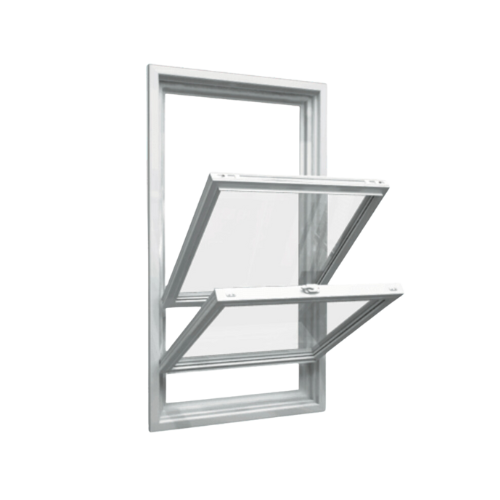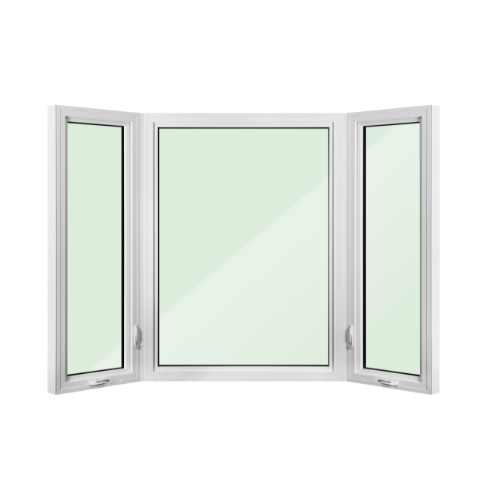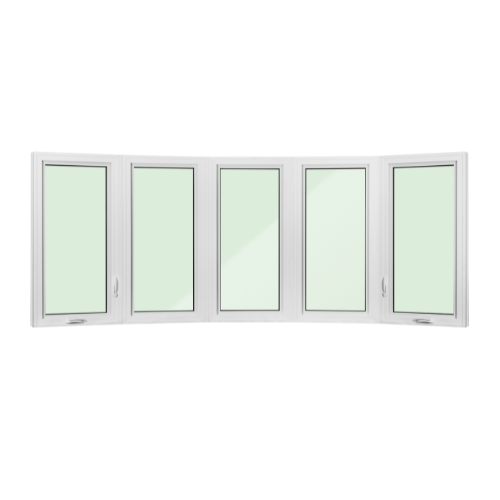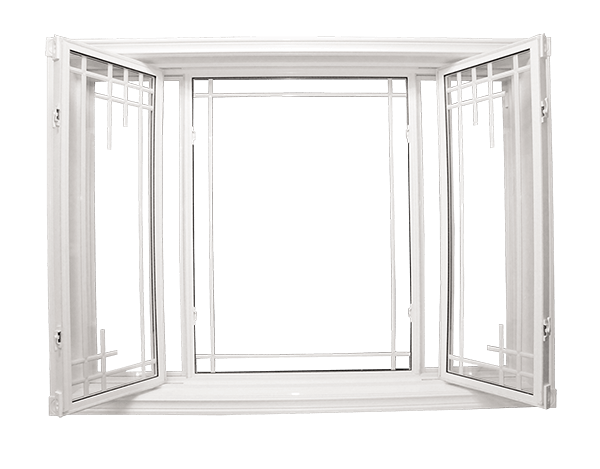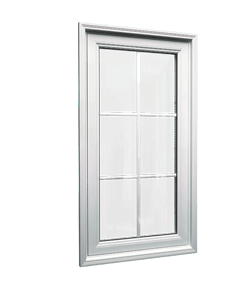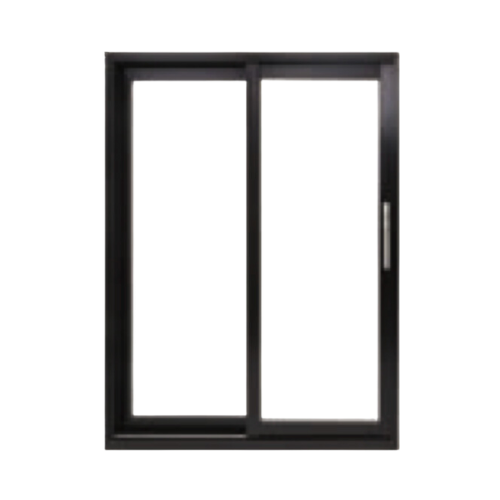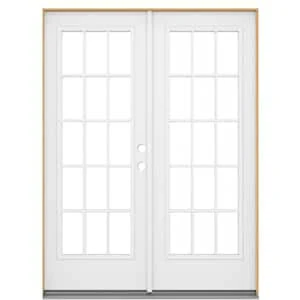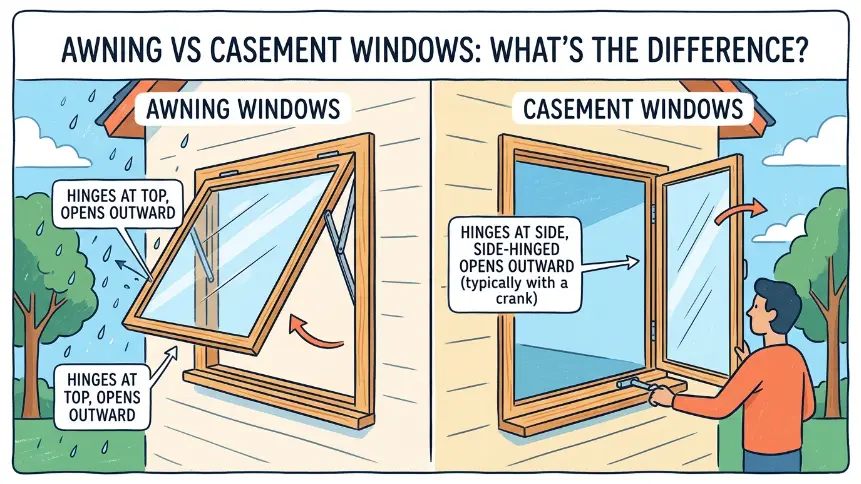
Awning windows are hinged at the top and open outward from the bottom, creating a tilted opening that allows airflow even during light rain. Casement windows, on the other hand, are side-hinged and swing fully outward like a door, offering a much wider opening for maximum ventilation and clearer outdoor views.

Choosing between awning and casement windows depends on how you want your home to perform in terms of airflow, comfort, and practicality. Each style offers unique advantages for different rooms, weather conditions, and daily use.

Whether you’re upgrading for energy efficiency, better ventilation, or modern design, understanding the differences helps you make a smarter decision. Read on to compare both options in detail and find the right fit for your home.

Awning vs Casement Windows: Side-by-Side Comparison

Awning and casement windows both improve ventilation and comfort, but they differ in how they open, perform, and suit different spaces.

Side-by-side comparison of awning and casement windows

Feature Casement Window Awning Window
Opening style Side-hinged, swings fully outward Top-hinged, tilts outward from the bottom
Airflow Strongest airflow and cross ventilation Steady airflow with controlled opening
Rain protection Must be closed in the rain Can stay open during light rain
Best use areas Living rooms, bedrooms, and wide openings Bathrooms, kitchens, high or small spaces
Energy sealing Very tight compression seal Tight seal with slightly smaller opening
Security Multi-point side locking system Multi-point bottom locking system
Noise control Strong noise reduction with proper glass Good noise reduction with smaller sash exposure
Ideal homes in the Greater Toronto Area Modern and traditional homes Compact rooms and hard-to-reach installs

What Is a Casement Window?

A casement window is a vertically designed window hinged along one side of the frame. When you turn the crank handle, the entire sash swings outward like a door, often opening up to 90 degrees for maximum airflow. Its multi-point locking system pulls the sash tightly against the frame to improve insulation and reduce drafts during cold Toronto winters. 


Because of their wide opening, clear outdoor views, and strong ventilation performance, casement windows remain a popular choice in modern homes across the Greater Toronto Area.

What Is an Awning Window?

An awning window is a horizontally styled window hinged at the top of the frame. Turning the crank pushes the bottom of the sash outward, usually creating a 45-degree opening. The angled sash acts like a small protective cover, helping keep rainwater out while allowing fresh air inside. Multi-point locking hardware along the bottom edge also helps create a tight seal when closed. 


In many Toronto homes, awning windows are commonly installed in bathrooms, kitchens, above sinks, basements, and higher wall areas where ventilation and privacy matter most.

Read More: Egress Casement Windows: Size, Cost & Code Requirements

Awning VS Casement Windows: What’s the difference?

Awning vs casement windows showing key differences in design and opening

1. Ventilation: Which One Moves More Air?

Casement:

A casement window swings outward on a side hinge, much like a door. Because the full sash opens, it catches side breezes and pushes more fresh air into your home. If you install casement windows on opposite walls, you can create strong cross ventilation, which feels especially helpful during warm summers in Toronto and across the Greater Toronto Area.

Awning:

An awning window is hinged at the top and opens outward from the bottom. This design allows warm indoor air to escape while cooler air flows in underneath. The angled sash also works like a small cover, so you can leave the window open during light rain or sudden summer storms common in Toronto.

2. Energy Efficiency in GTA Winters

Casement: 

A casement window seals tighter than most styles. Its multi-point lock pulls the sash against a four-sided compression gasket. So energy-efficient casement windows cut air leakage through Toronto’s January and February deep freeze. That keeps your heating bill lower all winter long. 

Awning: 

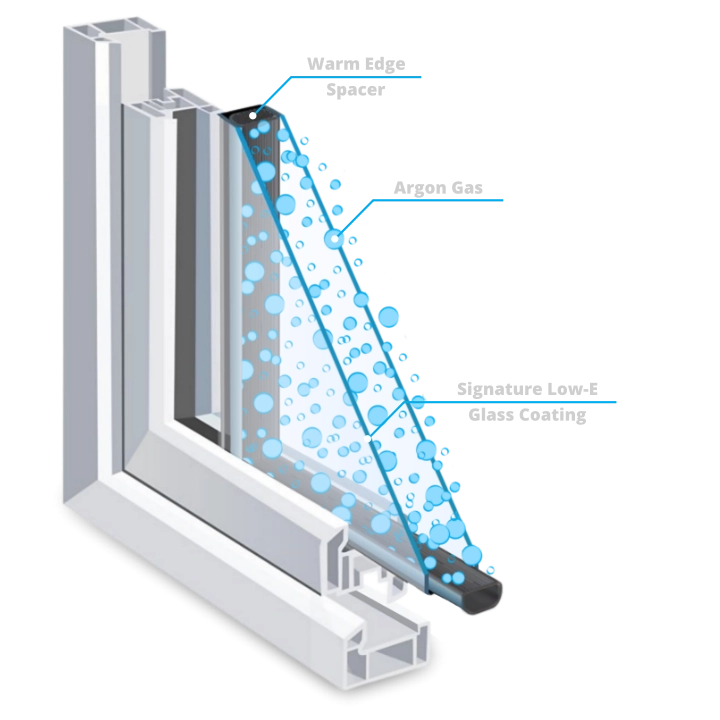
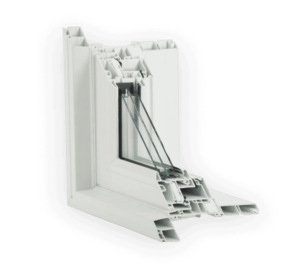
An awning window also seals tightly when locked. But the bottom sash edge bears more pressure on wider sizes. Even so, energy-efficient awning windows pair beautifully with triple pane windows and Low-E coatings. Together, they handle GTA winter from December through March without strain.

Read More: How to Remove a Sliding Glass Door Panel Safely Like a Pro?

3. Cleaning and Maintenance

Casement: 

A casement window swings out wide on a side hinge, much like a door. Because the sash pivots fully, you can reach both sides of the glass from inside. That saves you from climbing icy ladders during Toronto winters or hiring a window cleaner every spring. 

Awning: 

An awning window hinges at the top and opens only partway from the bottom. So the sash never pivots far enough to reach the outside glass from inside. If easy cleaning matters to you, vinyl awning windows with simple-tilt hardware solve the second-storey reach problem. 

4. Operation Ease and Accessibility

Casement: 

Casement is one of the smoothest windows that open outward in any home. Its fold-down crank sits low in the frame, so the handle stays in easy reach. That position lets you use one hand over kitchen counters, even with aging wrists.

Awning:

An awning window also uses a bottom-mounted crank that opens the sash outward with minimal effort. Even when installed above kitchen sinks or bathroom counters, the handle remains easy to reach. In many older homes across Toronto and the Greater Toronto Area, professional window installers often add motorized operators to high clerestory awning windows for easier everyday use.

5. Sound Insulation

Casement:

A casement window creates a very tight seal when locked. Its multi-point locking system pulls the sash firmly against the frame on all sides, helping block outside drafts and noise. 

That makes casement windows a smart choice for homes near busy roads like Highway 401 or the Gardiner Expressway. In dense Toronto neighbourhoods, many homeowners pair vinyl casement windows with laminated glass for stronger sound reduction.

Awning:

An awning window also seals tightly using multi-point locking hardware. Since awning windows usually have a smaller glass area, they naturally allow in less outside noise. When combined with triple-pane glass, they can noticeably reduce everyday traffic sounds across the Greater Toronto Area, especially in urban and roadside homes.

6. Hardware Durability and Lifespan

Casement:

A casement window uses side hinges and a multi-point locking system for smooth daily operation. Since the hinges support the full sash weight, high-quality stainless steel hardware can last 20 to 25 years with proper care. In many Toronto homes, well-maintained casement windows often last longer than the surrounding vinyl frame itself.

Awning:

An awning window works with a top hinge and a fold-down crank operator. Because the sash weight rests heavily on the operator when open, wider awning windows may experience slightly faster hardware wear over time. Even so, quality awning hardware commonly lasts 15 to 20 years in homes across the Greater Toronto Area.

7. Maintenance Frequency

Casement:

A casement window requires very little maintenance beyond occasional cleaning and yearly hinge lubrication. Washing the vinyl frame with mild soap and water once or twice a year usually keeps it in good condition. In older Toronto homes, checking weatherstripping each spring also helps prevent drafts and energy loss.

Awning:

An awning window also needs minimal upkeep, including a small amount of oil on the crank mechanism once a year. Since the sash opens at an angle, leaves, dust, and debris can collect near the bottom track. A quick seasonal cleaning helps awning windows operate smoothly, especially during windy fall weather in the Greater Toronto Area.

Read More: Standard Door Size Guide: Dimensions & Measurement Tips

8. Security

Casement:

A casement window usually locks at multiple points along the frame, creating a tight and secure seal when closed. The locking system pulls the sash firmly into place, making forced entry more difficult. Because of this design, casement windows are considered one of the more secure outward-opening window options for homes in Toronto.

Awning:

An awning window also uses multi-point locking hardware for added protection. Since the sash is hinged at the top and opens outward only a short distance, it becomes harder to force open from the outside. That makes awning windows a practical choice for basement rooms, side walls, and lower-level openings across the Greater Toronto Area.

9. Cost: What’s the Real Difference?

Casement:

A casement window often costs more because it uses larger glass panels and heavier-duty hinge hardware. In the Greater Toronto Area, installed casement window prices commonly range between $700 and $1,400 per unit, depending on frame material, glass package, and size. Full-home window replacement projects in Toronto may require a moderate budget when choosing all casement windows.

Awning:

An awning window usually costs slightly less because of its smaller sash size and lighter hardware system. Average installed prices across the Greater Toronto Area typically range from $600 to $1,200 per unit. Many homeowners mix awning and casement windows together to balance airflow, functionality, and overall renovation costs.

Read More: Bay Window vs Bow Window: Which One to Choose?

Awning vs. Casement Windows: Which One Should You Choose 

Choose casement windows if you want maximum airflow, clear views, and strong energy sealing, especially for living rooms and bedrooms. Pick awning windows for steady ventilation in smaller or wet-prone areas like bathrooms and kitchens. Your decision depends on space, ventilation needs, and weather exposure across your Greater Toronto Area home. 

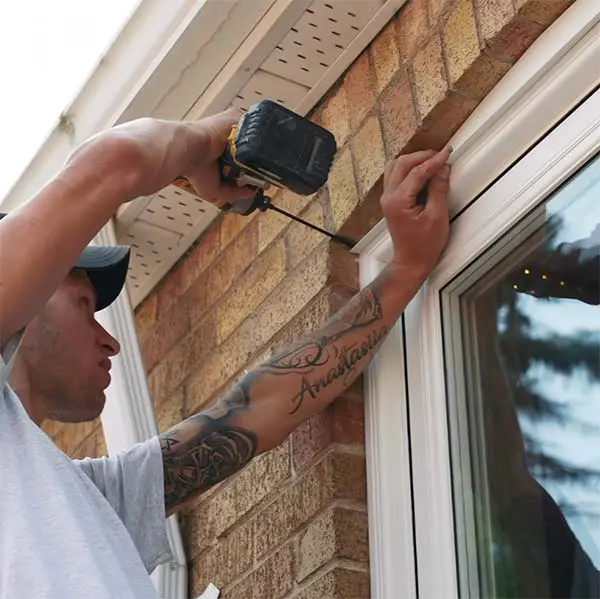
Even the best window style only performs well with proper installation. Professional fitting ensures airtight sealing, correct alignment, and long-term durability. It also improves energy efficiency, noise reduction, and security.

Upgrade your home with expert installation from Polaris Windows and Doors. Whether you choose awning or casement styles, our team ensures precision fitting, energy-efficient performance, and lasting quality. 

FAQs

Awning vs casement windows: Which is better for Canadian winters?

Both perform well when properly installed with triple pane glass and Low-E coatings. Casements have a slight edge on air leakage in larger sizes because the vertical compression seal squeezes more evenly. In a serious GTA cold snap, that small advantage shows up on heating bills.

Can I put an awning window in a basement bedroom?

Technically, yes, but in practice it’s tough. Ontario’s egress rules require an unobstructed opening of at least 0.35 m² with no dimension under 380 mm. Because awning sashes only open about 45 degrees, you usually need a much bigger overall window to hit the rule. Casement is the standard pick for basement bedroom egress in Ontario.

Do awning windows leak when it rains?

A properly installed and locked awning window doesn’t leak. Even when open, the top-hinge design directs water off the angled glass and away from the opening. Heavy storms with strong winds are a different story; close it up if the rain is coming in sideways.

Are awning and casement windows ENERGY STAR certified?

Both styles can be ordered with ENERGY STAR Canada certification. Look for the rating label on the glass package and confirm with your installer that the unit you’re buying meets the certification for Climate Zone 2, which covers the GTA.

What’s the typical lifespan of a vinyl casement or awning window?

A quality vinyl window with proper installation lasts 25 to 30 years, often longer. The crank operator is the most likely part to need service, usually a 15-to-20-year component.